
Choosing between an on-road water truck and an off-road articulated unit isn’t about which one is better. It’s about which one fits how you actually work. Where are your job sites? How do you access water? What terrain dominates your projects? These factors determine whether highway capability or off-road performance delivers better value.
Water truck platforms come in fundamentally different designs because they serve different operational environments. Understanding those differences helps you match equipment to reality rather than buying based on assumptions that don’t fit your work.
Let’s break down what separates these platforms and how to figure out which one serves your operation.
Understanding the Fundamental Differences
On-road water trucks and articulated off-road units aren’t variations of the same thing. They’re built on different chassis types with different design priorities.
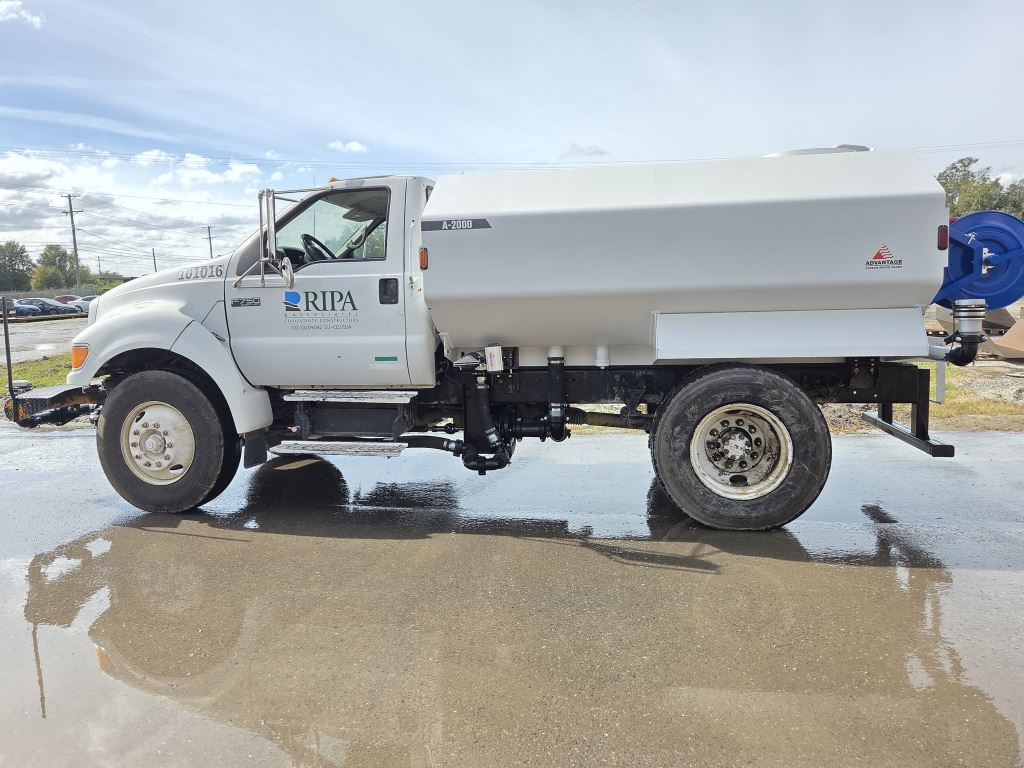
On-road units use conventional truck chassis designed for highway travel. They’re highway-legal, can travel at normal road speeds, and handle paved surfaces well.
Articulated off-road units use specialized chassis with a pivot point between sections. This articulation allows extreme maneuverability on rough terrain where conventional trucks struggle.
Key platform differences:
- Chassis design: Rigid frame vs articulated pivot design
- Mobility: Highway speeds vs off-road capability
- Maneuverability: Standard turning vs tight articulated turns
- Operating environment: Mixed road/site use vs dedicated off-road work
The platform you choose determines where your equipment works efficiently and where it struggles.
On-Road Water Trucks: When Highway Access Matters
On-road water trucks make sense when your operation involves significant highway or paved road travel. If accessing water sources, moving between job sites, or positioning equipment requires road travel, highway capability matters.
These units handle mixed-use environments. You can drive to a municipal water source miles away on highways, operate on your job site, then move to another location without specialized transport.
Operational advantages of on-road platforms:
- Legal highway travel at normal speeds
- Access to municipal water sources via public roads
- Ability to serve multiple job sites in a day
- No specialized transport needed for relocation
- Operator familiarity with conventional truck controls
Tank options for on-road chassis typically range from 2,000 to 4,000 gallons, sized for highway truck chassis weight limits. This capacity suits many construction operations while maintaining road-legal compliance.
Off-Road Articulated Units: Advantages for Rough Terrain
Articulated off-road units excel when your primary environment is rough, unimproved terrain where conventional trucks can’t operate efficiently. Large construction sites, mining operations, and heavy civil projects often provide conditions where articulation becomes essential.
The pivot point between chassis sections allows these units to navigate terrain that would challenge conventional trucks. Ruts, grades, uneven surfaces, and conditions that bog down rigid-frame trucks become manageable with articulated design.
Off-road platform advantages:
- Extreme maneuverability in confined spaces
- Better traction distribution on uneven terrain
- Lower ground pressure reduces the risk of getting stuck
- Capability on grades beyond on-road truck limits
- Built specifically for construction site conditions
Articulated water tanks typically range from 5,000 to 9,000 gallons, taking advantage of a stronger chassis design. Larger capacity means fewer refills on sites where getting to water sources involves difficult terrain.
Cost Analysis: Acquisition vs Operating Expenses
Purchase price tells only part of the cost story. Operating expenses and equipment lifespan in your actual environment determine total ownership cost.
Different platforms have different cost profiles. However, if your operation primarily involves rough terrain, specialized off-road equipment can extend equipment life compared to running on-road trucks in conditions they weren’t designed for.
Cost considerations by platform:
On-road trucks:
- Suitable for mixed-use environments
- Higher operating costs in rough terrain
- Shorter lifespan when used primarily off-road
Articulated units:
- Built for demanding off-road conditions
- Lower operating costs on rough terrain
- Longer lifespan in off-road conditions
Calculate ownership cost based on where you actually operate. Equipment built for your primary operating environment typically delivers better long-term value than lower-cost alternatives used outside their design parameters.
Matching Equipment to Your Primary Project Types
Your dominant project types determine which platform makes sense. Projects occasionally involving different conditions don’t override your primary operating environment.
When On-road Platforms Fit
- Projects are primarily suburban or urban construction
- Water sources require highway travel for access
- You serve multiple smaller sites rather than one large operation
- Sites have developed access roads and relatively flat terrain
- Mixed highway/site operation is routine
When Articulated Platforms Fit
- Projects involve large, undeveloped sites
- Terrain includes significant slopes, ruts, or unimproved ground
- Water sources are on-site or reached via haul roads
- Operations focus on heavy civil work, mining, or large infrastructure
- Equipment rarely leaves the job site except for major relocations
If 80% of your work happens on rough construction sites and 20% involves easier terrain, buy for the 80%. Don’t compromise your primary operation to handle occasional different conditions. For operations genuinely split between environments, maintaining both platform types might deliver better results than forcing one type to handle everything.
Rigid Frame Trucks: The Middle Ground
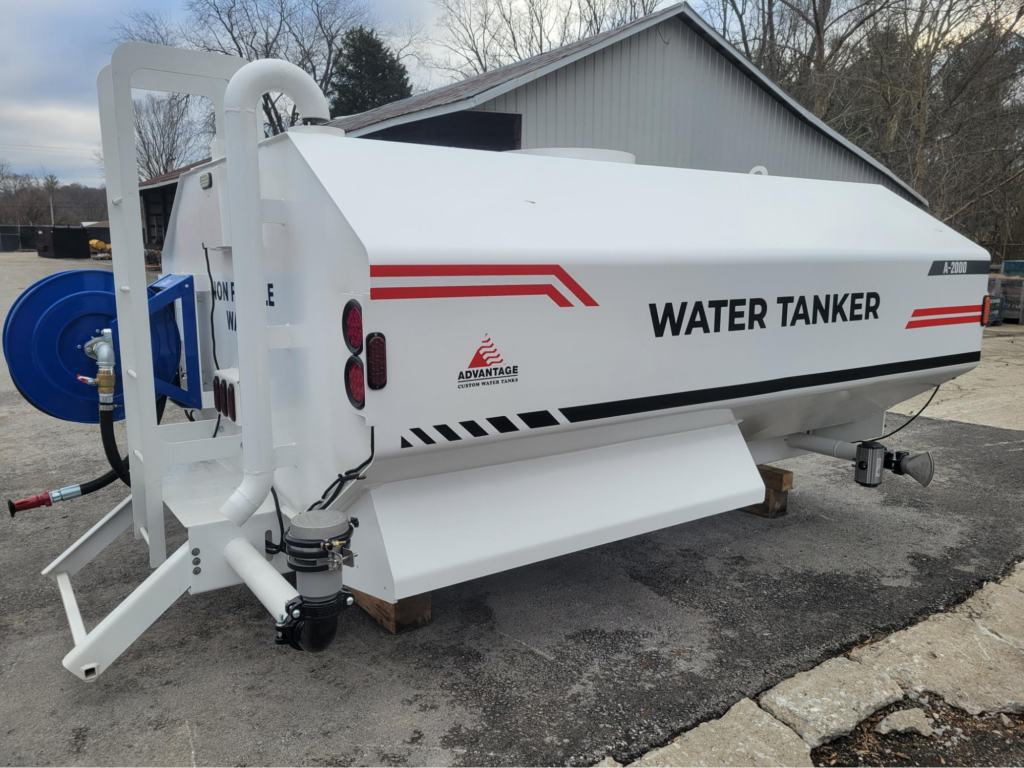
Rigid frame trucks offer a middle path. These units use conventional chassis but are built specifically for off-road construction use rather than highway hauling.
Rigid frame platforms provide more capability than standard on-road trucks while avoiding the higher cost of articulated systems. They work well for operations needing off-road performance without extreme terrain demands.
Tank capacities for rigid frame units range from 10,000 to 24,000 gallons, significantly larger than on-road options. This makes them suitable for large-scale operations where high-volume water delivery matters more than highway mobility.
How Tank Design Differs for Each Platform
The water tank itself needs an appropriate design for the platform carrying it. Tanks mounted on highway trucks face different stresses than those on articulated off-road units.
On-road truck tanks prioritize weight distribution for highway performance and road-legal compliance. The design accounts for braking, acceleration, and turning at highway speeds.
Off-road tank designs emphasize durability against terrain abuse and weight distribution for traction on uneven ground. Tanks welded inside and out minimize leak risk from constant vibration and impact.
At Advantage Water Tanks, tanks are built specifically for each chassis type. Whether mounting on an on-road truck, articulated unit, or rigid frame chassis, tank design matches the platform’s operating environment.
This matters because tanks designed for one platform create problems on another. Tank engineering should match your chassis and operating conditions.
Make the Platform Decision That Fits Your Reality
Water truck platforms serve different operational needs because construction environments vary widely. On-road trucks excel in mixed-use operations involving highway access. Articulated units dominate in rough terrain where conventional trucks struggle. Rigid frame platforms offer a middle ground for serious off-road work without full articulation.
Your primary operating environment determines which platform delivers better long-term value. Don’t buy based on occasional edge cases. Buy for the conditions you face daily.
Consider these factors honestly:
- What percentage of operations involves highway travel vs site work?
- How rough is your typical job site terrain?
- Where are water sources, and how do you access them?
- What’s the average size and duration of your projects?
- Do you serve one large site or multiple smaller locations?
The answers point toward the platform that matches your reality. If you’re genuinely split between environments, the cost of maintaining appropriate equipment for each might be less than forcing one type to handle conditions it wasn’t designed for.
Planning to mount a water tank on a specific chassis type? Contact Advantage Water Tanks to discuss your platform choice and ensure your custom tank is properly designed for your operational requirements and terrain conditions.
Frequently Asked Questions
Can on-road water trucks work on construction sites?
Yes, on-road trucks work on many construction sites, particularly those with developed access and relatively flat terrain. However, they struggle on rough, uneven ground with significant slopes or poor conditions. If your sites involve deep ruts, steep grades, or muddy conditions, on-road trucks will have performance and durability issues. Evaluate your typical site conditions honestly before choosing an on-road platform.
Are articulated water trucks street legal?
Most articulated off-road units are not designed for highway travel and may not be street legal. They’re built for job site operation, not road transport. If you need to move an articulated unit between sites, you typically transport it on a lowboy trailer. This isn’t a problem for operations with dedicated sites, but creates complications if you need to relocate equipment frequently.
What’s the typical capacity difference between platforms?
On-road trucks typically range from 2,000 to 4,000 gallons due to highway weight limits and chassis design. Articulated units usually hold 5,000 to 9,000 gallons, taking advantage of stronger off-road chassis. Rigid frame trucks can support 10,000 to 24,000 gallons for large-scale operations. Choose capacity based on site size, refill access, and how much coverage you need between fills.
How does platform choice affect operating costs?
Operating costs depend heavily on the environmental match. On-road trucks cost less to operate in mixed highway/site environments but burn more fuel and require more maintenance when used primarily off-road. Articulated units cost more to maintain due to specialized components, but last longer and have fewer repairs in rough terrain. Calculate costs based on your actual operating environment, not generic averages.
Do I need different tanks for different platforms?
Yes. Tanks should be designed specifically for the platform carrying them. On-road tanks optimize for highway weight distribution and road performance. Off-road tanks prioritize durability against terrain abuse and stress from articulated chassis flex. Custom-built tanks account for platform-specific requirements to ensure proper fit, performance, and longevity in your actual operating conditions.