
Buying a water truck tank shouldn’t feel like a gamble. You’re making a significant investment in equipment that needs to last for years of demanding work. The difference between getting exactly what you need and dealing with problems down the road often comes down to the questions you ask before signing the purchase order.
Custom water truck tanks aren’t commodities where one is interchangeable with another. Manufacturing quality, customization capabilities, and post-sale support vary widely between suppliers. The questions you ask reveal whether a manufacturer stands behind their work or leaves you on your own once the check clears.
Let’s walk through what you need to know before committing to a purchase.
Manufacturing and Quality Questions
How tanks are built determines how long they last and how well they perform. Manufacturing quality varies widely between suppliers.
Critical questions about manufacturing:
- Is manufacturing done in-house or outsourced to third parties?
- What welding methods are used, and are tanks welded inside and out?
- What quality control processes verify workmanship before delivery?
- What warranty covers workmanship, and what specific defects does it address?
In-house manufacturing means the company controls quality at every production stage. When production is outsourced, you’re trusting external suppliers that the manufacturer may have limited oversight of.
Tanks welded inside and out provide redundancy that minimizes leaks. Single-sided welding might look adequate initially, but it often develops issues over time. Ask specifically how seams are constructed.
The warranty terms tell you what the manufacturer truly believes about their work. A comprehensive workmanship warranty demonstrates confidence. Limited warranties with numerous exclusions suggest the opposite.
At Advantage Water Tanks, all production happens in-house with tanks welded inside and out to minimize leaks. Workmanship is backed by a 2-year manufacturer’s warranty.
Customization and Fit Questions
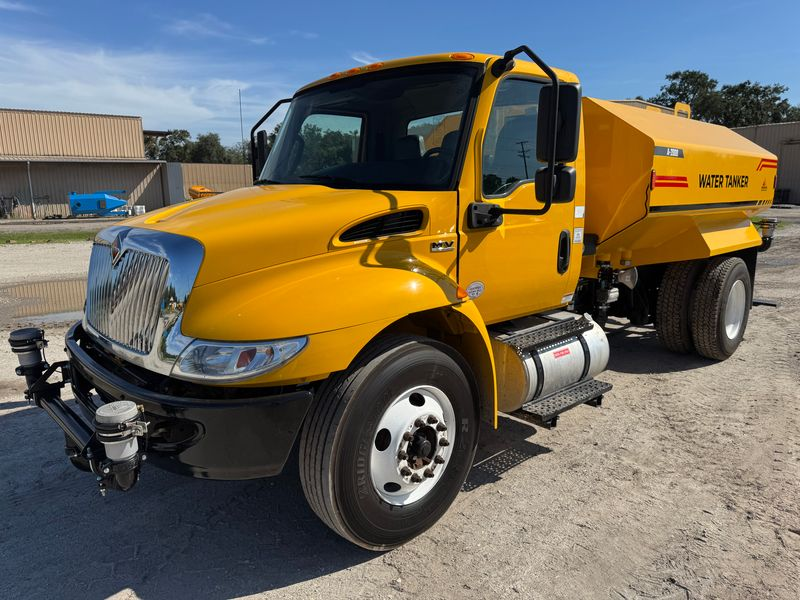
A water truck tank needs to fit your specific chassis and match your operational requirements. Generic tanks force you to adapt. Custom tanks adapt to how you work.
Essential customization questions:
- Can the tank be built to fit your exact truck make, model, and year?
- What mounting system options accommodate your chassis configuration?
- How are baffle designs determined for your tank size and use?
- What capacity range works with your chassis weight limits?
- Can equipment be specified to your needs?
Chassis compatibility isn’t just about dimensions. Weight distribution, mounting point locations, and frame interface all affect performance and safety. Manufacturers experienced with your chassis type solve fit problems you haven’t anticipated.
Mounting systems vary in capability. Some designs work great on highway trucks but fail on rough terrain. The mounting should match where you actually operate.
Baffle configurations affect how water moves inside the tank, which impacts stability. Ask how baffles are determined for your specific capacity and application.
At Advantage Water Tanks, tanks are built for specific chassis types, with capacities ranging from 2,000 to 4,000 gallons for on-road applications, 5,000 to 9,000 gallons for articulated units, and 10,000 to 24,000 gallons for rigid frame chassis.
Delivery and Timeline Questions
Ordering equipment means planning around when it arrives. Vague timelines create problems when you’ve scheduled projects around expected delivery.
Timeline and delivery questions:
- What’s the current production lead time from order to delivery?
- Are lead times guaranteed or estimates that might extend?
- Does shipping cost include delivery to your location?
- What installation support or guidance comes with delivery?
Lead times vary based on manufacturing capacity and order volume. You need accurate information to plan your operations, not optimistic estimates that extend later.
Shipping logistics affect the total cost. Some manufacturers include delivery in pricing. Others quote tank cost separately from shipping, which can add an unexpected expense depending on your location.
Installation support varies from detailed documentation to hands-on assistance. Comprehensive instructions and technical support matter if you’re mounting the tank yourself.
Pricing and Warranty Questions
Price matters, but understanding what you’re actually getting for that price matters more. The lowest quote isn’t a bargain if it comes with limited support and questionable quality.
Critical pricing and warranty questions:
- What exactly is included in the quoted price?
- Are there setup fees, customization charges, or other additions to the base price?
- What warranty covers the tank’s workmanship, and for how long?
- Do equipment components carry separate manufacturer warranties?
- What post-sale support exists for technical questions or issues?
Total cost includes more than the tank price. Make sure quotes cover everything you need rather than discovering additional charges after committing. This includes mounting hardware, necessary valves, inspection reports, or other items that should be standard but might be priced separately.
Warranty terms deserve detailed examination. A 2-year workmanship warranty covering manufacturing defects provides solid protection. Warranties limited to specific failure types or requiring you to prove the problem wasn’t user error offer less value. Understand what’s actually covered before assuming warranty protection.
Equipment warranties for pumps, spray heads, hydraulic motors, and other components typically come from component manufacturers, not the tank builder. Clarify which warranties apply and how to make claims if components fail. Dealing with multiple warranty processes creates complexity you should understand upfront.
Post-sale support separates manufacturers who view the sale as the end of their involvement from those who see it as the beginning of a customer relationship. Technical support for operational questions, parts availability for future maintenance, and willingness to address concerns after delivery all affect long-term ownership experience.
Questions About Materials and Durability
The materials used and construction methods determine how well your tank survives actual working conditions.
Material and durability questions:
- What grade of steel is used for tank construction?
- How is corrosion resistance addressed?
- What protective coating is applied?
- How are high-stress areas like mounting points reinforced?
Material quality directly affects durability. Understanding what you’re getting helps you evaluate whether the price reflects appropriate materials.
Corrosion resistance matters because water tanks live in wet environments. Knowing what corrosion protection exists and how to maintain it extends tank life significantly.
Why These Questions Matter for Your Investment
Asking detailed questions before ordering reveals how much the manufacturer knows about their own products. Companies that can’t answer basic manufacturing and warranty questions probably can’t support you after the sale.
Comparing answers from different manufacturers highlights meaningful differences. When one offers a 2-year workmanship warranty, and another offers 90 days, that tells you something about confidence in quality.
Detailed questions establish expectations that protect you later. Documenting promises before ordering gives you recourse if manufacturers fail to deliver.
Manufacturers who welcome detailed questions and answer them transparently are generally building quality equipment. Those who deflect questions or provide vague answers often create problems you’ll regret later.
Make Informed Decisions Based on Complete Information
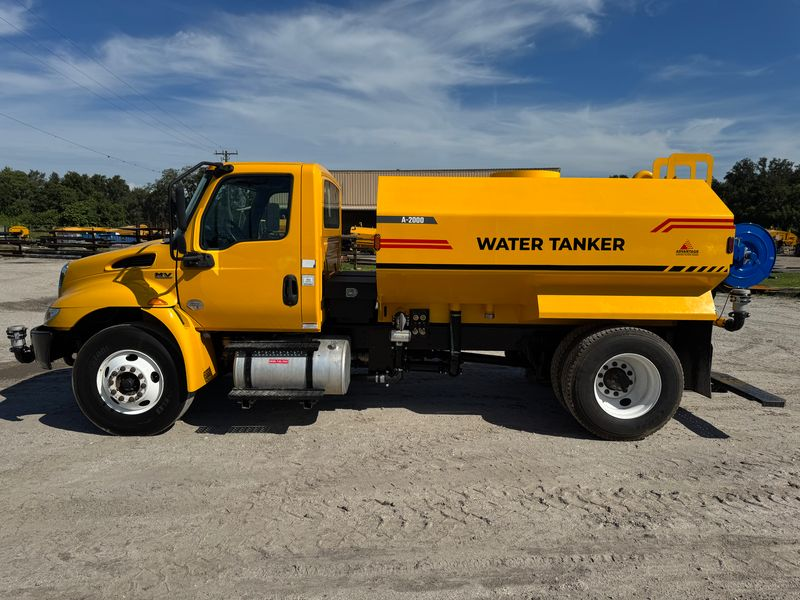
Custom water truck tanks represent significant investments in equipment that affects your operations daily. Taking time to ask comprehensive questions before ordering protects that investment and ensures you get tanks that actually match your needs.
Use this question framework when evaluating any manufacturer. The answers reveal not just product specifications but the company’s approach to quality, customer support, and standing behind their work.
Ready to discuss your specific requirements? Contact Advantage Water Tanks with your questions about manufacturing processes, customization options, and how their tanks are designed for your operational needs.
Frequently Asked Questions
What’s the most important question to ask a water tank manufacturer?
Ask about manufacturing location and whether production is in-house or outsourced. This single question reveals quality control capability and accountability. In-house manufacturing means one company controls every step and stands behind the entire product. Outsourced production creates dependency on suppliers and diffuses responsibility when problems arise. Follow up by asking about welding methods and warranty terms to understand quality standards and manufacturer confidence.
How long should a water truck tank warranty last?
A comprehensive workmanship warranty should cover at least 2 years. Shorter warranties suggest the manufacturer lacks confidence in their construction quality. However, warranty length matters less than what’s actually covered. Read the warranty terms to understand which failures are included, what’s excluded, and what process you follow to make claims. Equipment component warranties from manufacturers like pump or motor producers are typically separate from tank workmanship warranties.
Why does it matter if tanks are welded inside and out?
Welding both inside and outside creates redundancy that minimizes leak risk. Single-sided welds might hold initially, but often develop issues over time from stress, vibration, and corrosion. Double-sided welding provides a stronger seam that better withstands the constant stress of loaded water weight, movement across rough terrain, and exposure to moisture. This construction method costs more but significantly extends tank reliability and service life.
Should I visit the manufacturing facility before ordering?
If possible, yes. Facility visits reveal actual manufacturing processes, quality control procedures, and overall operation professionalism. You can see whether production matches the company’s descriptions and assess their capability to deliver what they’re promising. However, if distance makes visits impractical, detailed questions about manufacturing processes, photos of production facilities, and customer references provide alternative verification of manufacturing capability.
What if a manufacturer won’t answer detailed questions?
Consider it a warning sign. Reputable manufacturers welcome detailed questions because they’re confident in their processes and products. Evasive answers, pressure to order without complete information, or resistance to providing warranty terms in writing all suggest potential problems. If a manufacturer can’t or won’t transparently answer questions about how they build tanks, where production occurs, and what support they provide, continue your search with companies that will.