
Water does two jobs on an earthwork site, and understanding how to manage both at once makes the difference between a smooth operation and a site that either fails compaction testing or creates visibility problems that slow everything down.
Proper soil moisture conditioning and concurrent dust suppression work together on real jobsite scenarios when using compaction water trucks effectively. The same construction water trucks that help your crew prepare materials for compaction testing also manage airborne dust while grading and spreading are happening nearby. Getting the balance right means choosing the right tank capacity, spray configuration, and application approach.
This article walks through how compaction water trucks actually serve both functions, how application rates differ between the two tasks, and how to set up your equipment so water management supports your entire earthwork workflow.
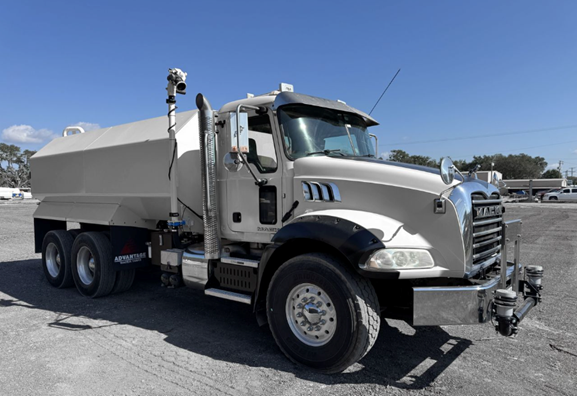
Understanding Water’s Dual Role: Compaction Moisture and Dust Control
Water plays two distinct but simultaneous roles during earthwork operations. The first is preparing soil for compaction testing. Material needs specific moisture content to achieve the density targets your project requires. Too dry, and the soil will not compact effectively. Too wet, and compaction becomes impossible. Water is how crews bring soil into the right range.
The second role is managing dust during material handling, grading, and spreading. When earthmovers handle dry materials or wind kicks up dust during stockpile work, water reduces airborne particles and keeps visibility safe for operators and site personnel.
On active construction sites, both happen at the same time. Your compaction water trucks are not just serving one purpose between 8 AM and 10 AM and then switching gears. Instead, they are supporting moisture conditioning in one area of the site while simultaneously managing dust clouds during grading operations elsewhere or during the same material-handling cycle.
Application Rates: Moisture Conditioning vs. Dust Suppression
Moisture conditioning and dust suppression require different application approaches, even though they are both water delivery.
For moisture conditioning, water needs to penetrate the material evenly. Operators typically apply water in measured amounts to reach target moisture ranges. This differs from grading water application for dust control, which uses lighter surface misting. The goal is saturation that allows proper compaction. Water application is deliberate and controlled, often following a specific sequence as material is staged and prepared for compaction testing. Overwatering creates problems. Standing water or material that becomes too saturated simply will not compact, and crews have to wait for drainage or bring in additional dry material to balance things out.
Dust suppression works differently. The goal here is wetting the surface to keep particles from becoming airborne. This does not require deep penetration. Light, regular application (almost a misting approach) keeps dust down without overloading material with moisture. Dust control is ongoing maintenance throughout the workday. A single heavy spray might handle immediate dust during one material-handling operation, but wind or continued work quickly dries surfaces and dust picks back up.
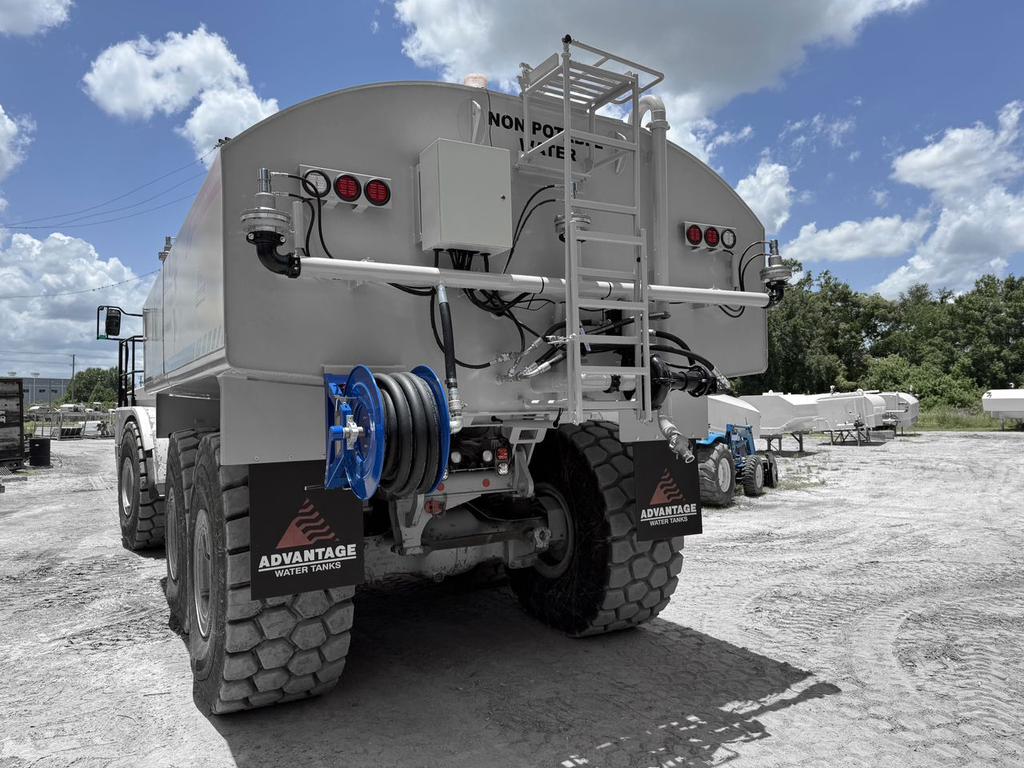
The combination means your water truck setup needs flexibility. Spray heads that deliver a fine mist for dust control may not be ideal for the more concentrated application needed to condition compaction material. Many earthwork-focused water trucks use multiple spray options: cannon spray for broad dust coverage, rear spray bars for material conditioning during spreading, and side spray heads for perimeter dust management.
Spray Control: Precise Application for Compaction Areas
Compaction areas need water applied in specific locations and concentrations. If you are preparing a borrow area or staging material for testing, random spray patterns waste water and create inconsistent results. Operators need to control exactly where water goes and how much reaches the working material.
This is where spray configuration matters. Rear spray bars (positioned to deliver water as material is being dumped or spread) provide consistent application to the load as it is placed. Side spray heads help manage dust cloud around the material handling equipment without oversaturating the workable area. And because compaction testing often happens in defined zones, precision spray control prevents overwetting adjacent areas.
Earthwork dust control, by contrast, is broader and more reactive. A cannon spray mounted on top of the tank delivers water across larger areas to suppress dust during grading operations, stockpile management, or material transfer. This approach works well for site perimeter control and managing dust during equipment movement. But mixing these applications on the same site requires a tank setup flexible enough to handle both. Many modern earthwork water trucks carry both precision spray bars and broader cannon systems so operators can choose the right delivery method for the task.
Tank Capacity for Continuous Earthwork Operations
Earthwork sites often have multiple operations happening at once. Compaction crews are working in one area. Grading and material handling are underway elsewhere. Site access roads need dust management. A single pass with a water truck is not enough. Continuous supply matters.
Larger tank capacities keep your crew from having to refill constantly. On active earthwork sites where compaction testing and material handling are happening over several hours, a single refill between morning and afternoon work might become a bottleneck. On-road tanks in the 4,000-gallon range work for smaller sites, while larger articulated or rigid-frame tanks (5,000 to 9,000 gallons for articulated configurations, 10,000 to 24,000 gallons for rigid-frame setups) reduce downtime and allow continuous support to both moisture conditioning and dust suppression operations.
Capacity also ties directly to application rate. Spraying dust control at full flow across a large perimeter uses water quickly. If you follow that with precision moisture conditioning work, a smaller tank capacity forces multiple refills. Advantage Water Tanks manufactures custom tanks for earthwork operations in various sizes. Choosing the right capacity means your truck can handle continuous operations without frequent refilling interrupting the workflow.
Another capacity factor: redundancy on larger projects. Two medium-capacity trucks often work better than one enormous tank if your site spans wide distances or if compaction crews and dust control teams work in separate zones. Articulated tanks work well for larger operations needing 5,000 to 9,000 gallon capacity with full maneuverability. More trucks mean simultaneous support to multiple work areas and flexibility to reposition equipment quickly as project needs shift.
Coordination Between Compaction Testing and Dust Management
The timing of these two functions can create operational challenges if they are not coordinated. Compaction testing windows are often tight. Test samples get taken at specific times and locations. Overwatering a test area before testing happens kills the test because material is too wet. But stopping dust suppression around the same area creates visibility problems and safety concerns.
Earthwork superintendents manage this by communicating with water truck operators about no-water zones around active test areas. Operators adjust spray direction and timing to manage dust on approach roads and stockpile areas while keeping test zones dry and ready for sample collection. Some crews use a staged approach: moisture condition material several hours before testing to allow partial drainage, then begin dust suppression on surrounding areas while tests are underway.
Effective compaction moisture management requires treating water application as part of the overall compaction and grading sequence, not as an afterthought. Projects that plan water truck positioning, spray setup, and operator coordination alongside compaction scheduling see fewer delays and cleaner sites. Material reaches the right moisture state for testing. Dust stays controlled. Operations stay on schedule.
Equipment Setup for Effective Dual-Purpose Water Application
Effective earthwork water trucks combine several spray components to handle both functions. Rear spray bars deliver concentrated water during material spreading (the main tool for moisture conditioning). A top-mounted cannon spray or side spray heads provide broad dust suppression. Some trucks also include a front spray for approach roads and staging areas.
The spray heads themselves matter. Adjustable flow rates let operators dial in exactly the right water volume for the task. Nozzles designed for fine mist versus concentrated spray provide flexibility. Operators can switch between functions (moisture work on material, dust work on perimeter areas) without requiring a new water source or repositioning the entire truck.
Tank interior design also plays a role. Tanks welded inside and out to minimize leaks ensure your equipment reliably delivers full capacity without loss. Baffles and bulkheads inside the tank reduce sloshing, which matters when trucks are moving between work zones and you need water to arrive at the site without spillage. Advantage Water Tanks keeps water from sloshing during transport between work zones.
Multiple tank positioning works for larger sites. Instead of one massive tank making long haul distances, two or three well-positioned trucks reduce travel time and allow simultaneous support to compaction and dust suppression in different zones. This approach works well on linear earthwork projects like road building or grading corridors where work areas stretch over several miles.
Ready to Integrate Water Management Into Your Compaction Workflow
Getting compaction water trucks right means more than just showing up with a tank full of water. It means understanding how moisture conditioning for testing works alongside dust suppression, choosing spray configurations that handle both tasks, and sizing your tank capacity to support continuous operations without constant refilling.
Discuss your compaction requirements and dust control needs with your equipment provider. Understanding your site conditions, project layout, testing schedules, and crew size helps them recommend the right tank sizing, spray configuration, and positioning options to support both moisture conditioning and dust suppression effectively across your site.
Frequently Asked Questions
What’s the difference between dust suppression water and compaction conditioning water?
Dust suppression is a surface misting to keep particles from becoming airborne. Compaction conditioning requires deeper moisture penetration to bring soil to the right density-supporting moisture state. Dust suppression can happen multiple times during a workday. Compaction conditioning typically happens once or twice during the material preparation stage before testing.
Can one water truck handle both compaction moisture and dust control?
Yes. Most earthwork water trucks are built to handle both. The spray configuration (rear bars for concentrated application during material spreading, top cannon or side sprays for broader dust suppression) allows operators to switch between tasks. The key is choosing a truck setup with multiple spray options rather than a single spray configuration.
How often do I need to refill a water truck on an active earthwork site?
That depends on tank capacity, site size, and how much dust suppression is happening. A 4,000-gallon on-road tank might need one or two refills during a full day if you are running continuous moisture conditioning and dust suppression. Larger articulated or rigid-frame tanks can operate all day with a single refill in many cases. Site distance from water source also matters. Longer haul distances mean more time spent driving and less time spraying.
Does watering for compaction testing interfere with dust control on the same site?
Coordination is important. Crews typically keep no-water zones around active compaction test areas and manage dust suppression on approach roads and stockpiles instead. Planning water truck timing and positioning around your testing schedule prevents over-watering test zones while keeping dust controlled elsewhere.
What equipment features matter most for dual-purpose water application?
Multiple spray options (rear bars, top cannon, side sprays) give operators flexibility. Adjustable nozzles and flow rates let you switch between fine mist and concentrated spray without repositioning the truck. Tank capacity large enough to support continuous operations without frequent refills keeps productivity up. And tanks welded inside and out to minimize leaks ensure reliability.
Is compaction water truck work the same as dust control work?
Not exactly. Dust control tends to be reactive (managing dust as operations create it). Compaction support is more scheduled (coordinating water application around testing windows). But on active sites, both happen simultaneously. The best setup acknowledges both and positions equipment and crew accordingly.