
Dust complaints rarely come out of nowhere. A neighbor calls after a week of haul traffic. An inspector walks a site and finds a dry haul road with no sign of watering. Often, the dust control plan on paper does not match what the crew can deliver on the ground. The water truck is frequently the piece of equipment that decides whether that gap shows up.
Good planning closes that gap. Dust control compliance depends on steady, consistent water application across the whole workday, not just on having a truck parked at the site. That means the tank has to hold enough water, refill at a practical pace, and keep running when the crew needs it. Advantage Water Tanks builds custom construction water truck tanks, so the points below focus on what buyers can check before they order.
This article is written for owners, project managers, and compliance officers who want fewer surprises. It does not list regulations, because construction inspection requirements and environmental dust regulations change by location and project type. Instead, it looks at how tank capacity, spray coverage, reliability, and records support consistent performance. Used well, those pieces give your team a stronger position when an inspector or a neighbor asks questions.
Why Dust Control Compliance Plans Fail During Inspections
Dust control violation prevention starts with a plan that works on real days, not just on paper. Failed inspections often trace back to the same few gaps. The plan may look sound, but the equipment and crew are unable to carry it out every day. Three problems come up again and again.
Inadequate Capacity for the Workload
A tank that is too small for the job means more refill trips. Each trip pulls the truck off the active area and leaves the haul road unwatered for longer. On a busy site, those gaps add up. A plan that assumes steady coverage can fall apart by midday.
Coverage Gaps on Active Areas
Dust does not stay in one place. Haul roads, stockpiles, cut slopes, and fresh fill all need attention at different times. If the spray system fails to reach the areas that matter most, the crew ends up watering the easy spots and skipping the hard ones. Inspectors notice the spots that stay dry.
Equipment Downtime at the Wrong Time
A truck that breaks down during a windy afternoon leaves the site exposed. Downtime during an inspection window is even worse, because the crew has no quick way to show that dust control is active. Reliability is not only a repair issue. It is a compliance issue.
How Tank Capacity Affects Continuous Compliance
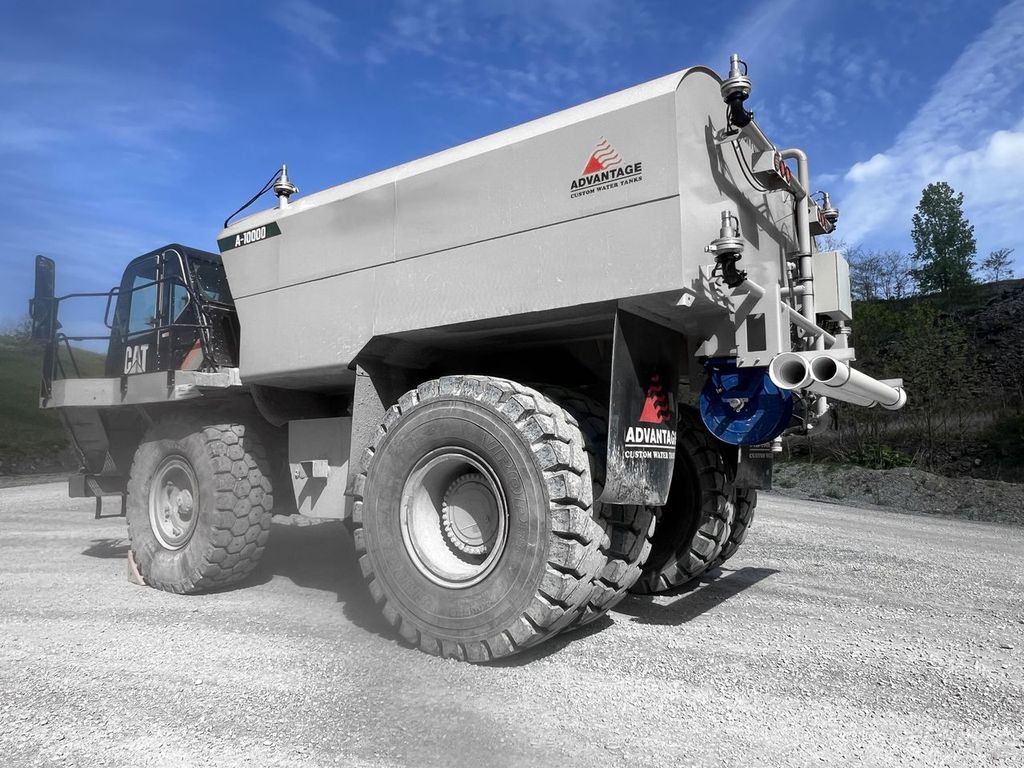
Capacity sets how long a truck can work before it must refill. That single number shapes the whole daily routine. When the tank matches the workload, the crew can keep dust control running without constant interruptions. On-road tanks hold 2,000 to 4,000 gallons, while articulated tanks run from 5,000 to 9,000 gallons. Each size band suits a different class of truck, so the right fit starts with the truck you run or plan to run.
Refill Timing Shapes the Day
Start with the water demand on your site. Estimate how much water the active areas need during a full shift, then count how many refills that takes with the tank you plan to use. Fewer refills mean fewer gaps in coverage. Smaller fleets often compare on-road tanks against heavier options before they settle on a size.
Planning for Peak Periods
Dust is often worst during dry, windy stretches, and those are the days the workload tends to peak. A tank sized only for average days can leave you short when conditions are at their worst. Plan for the busy days, not just the easy ones.
Spray System Coverage and Documentation
Capacity only helps if the water reaches the ground where it is needed. Spray coverage and the records behind it turn a capable truck into a dependable dust control measure.
Matching the Spray System to the Work
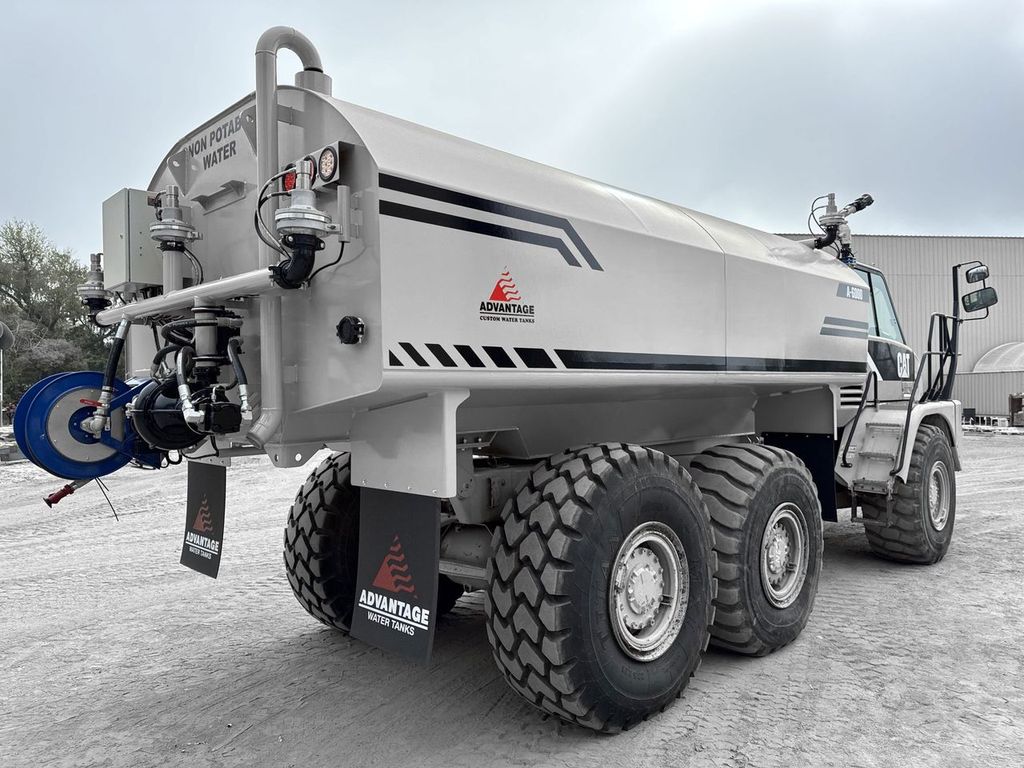
Ask how the spray system covers the areas your site actually uses. Haul roads, stockpiles, and cut areas often need different coverage, so one setup may not suit every task. Ask the builder to explain how the layout suits your work. Each component, from spray heads to hydraulic motors, falls under its own manufacturer warranty, so ask about each one by name.
Keeping Spray System Records
Inspectors often ask what the crew did, when, and where. A simple log answers those questions. Keep it current with these entries:
- Water application times for each active area
- Refill points and the time each refill took
- Any spray system problems, with the date and the fix
Keep the equipment specs in the same file so anyone on the crew can find them.
Reliability Matters When Inspectors Arrive
Reliability decides whether dust control looks steady or shaky on inspection day. Inspection-ready dust control looks the same on a slow day as on a busy one. Sound construction and a clear plan for parts can help keep the truck working through the hard stretches.
Build Quality Affects Consistent Performance
Advantage Water Tanks welds its tanks inside and out. All production stays in-house, from CNC cutting to bends and breaks and baffle and bulkhead processing. Fewer handoffs in production means fewer places where small defects can slip through unnoticed.
Planning for Parts and Repairs
Parts wear out on every truck. Gaskets, hoses, and spray heads all need replacing over time. Replacement parts are stocked, which can shorten downtime when something fails. Before you order, ask which parts the builder keeps on hand for your tank model, and set up a basic spares kit in your shop.
How Proper Tank Sizing Reduces Compliance Risk
Sizing is where capacity, spray coverage, and reliability come together. An oversized tank can cost more to own and run. An undersized tank can leave the site exposed. The goal is a tank that fits the work.
Avoiding Undersized Equipment
Undersized equipment tends to create a predictable pattern. The crew stretches the plan to fit the truck. Water gets applied late, in thinner passes, or only where it is easiest to reach. Those shortcuts tend to show up during inspections.
Avoiding Oversized Equipment
A rigid frame tank holds far more water, but a larger tank is not automatically the better choice. It may be harder to maneuver on tight sites and may carry more load than the work needs. Match the size to the actual water demand, and confirm the chassis can handle the planned load with your truck supplier.
Documentation and Recordkeeping Advantages of Adequate Equipment
Good equipment makes good records easier to keep. When the truck runs as planned, your logs tell a clear story. When it does not, the paperwork shows the gap, and that gap is hard to explain after the fact.
Consistent Equipment Makes Consistent Logs
Logs are easier to keep when the same truck, tank, and spray setup run every day. Record the truck ID, tank specs, refill schedule, and watering times. That gives you a baseline to compare against when something changes on the site.
Keeping Your Equipment File Current
Store any tank specs, warranty terms, and parts lists you receive from the builder in one place. Update the file after repairs or changes. Share copies with the project manager and the compliance officer so everyone works from the same details.
Review Your Dust Control Plan Before You Spec Equipment
The best time to think about dust control is before the truck arrives. The plan sets the water demand, and the tank choice has to meet it. Regulatory compliance equipment choices belong inside the plan, not after it. Before you finalize an order, review the plan with the people who will run it. Confirm the water demand, refill points, peak-day needs, and the areas that require spray coverage.
Bring that list to a conversation with Advantage Water Tanks. Ask how the capacity, the construction, and the spray setup fit your plan. Proper capacity, reliable construction, and a spray setup suited to your work make up a strong foundation for consistent dust control. They do not guarantee compliance on their own. Your crew, your records, and your site practices still matter. Together, they give you the best chance of steady performance and inspection confidence.
Frequently Asked Questions
Will the right water truck tank keep me in compliance?
No single piece of equipment guarantees compliance. Dust control depends on the plan, the crew, the records, and the conditions on the site. A well-sized, reliable tank makes it easier to carry out the plan consistently, and steady, documented work is what inspectors tend to look for.
The right tank supports steady performance. Pair it with a clear plan, trained operators, and consistent records so your team can show what happened on each shift.
How do I know what tank capacity my site needs?
Start with the water demand for your active areas during a full shift. Count how many refills your planned truck would need to cover that demand. If refills interrupt the work often, the capacity is likely too small. Review the workload with the builder, including peak days and the chassis you plan to use.
Capacity ranges depend on truck type. On-road, articulated, and rigid frame tanks fall into different size bands, so compare options within the same class first.
What records should I keep for dust control?
Keep a simple daily log that shows when water was applied, which areas were covered, and how much time the truck spent refilling. Record equipment problems with the date and the fix. Store any tank specs, warranty terms, and parts lists you receive in the same file.
Review the log at the end of each week. Gaps you spot early are easier to fix than gaps an inspector finds first.
Can a single tank failure really stop a project?
It can, and the risk is highest when dust control is a condition of the work. If the truck stops for repairs, the active areas go unwatered until it returns or a replacement arrives. Preparation reduces that risk. Ask about replacement parts before you order, keep a basic spares kit, and plan for backup coverage on critical days.
Build downtime into your plan. Know who to call and what parts to keep on hand before a problem happens.
Should I ask a builder about spray systems?
Yes. Spray system details affect how well water reaches the areas your site needs. Ask how the layout suits haul roads, stockpiles, and cut areas. Ask which warranties cover each component, since parts such as spray heads carry their own manufacturer warranties.
Bring a site map or a list of problem areas to the conversation. Specific details help the builder give you useful answers.