
Buying a water truck tank can look simple on paper. You pick a capacity, match it to a chassis, and place the order. Once the tank reaches your yard, though, you live with every decision that went into it. Welds that hold up on rough ground, a layout that fits your truck, and a supplier who answers questions after the sale all matter more than any brochure suggests.
That is why the way a tank gets built deserves a closer look. In-house water tank manufacturing means the company that sells the tank also does the work that shapes it. Cutting, forming, and welding stay within one operation. Advantage Water Tanks follows this approach for its custom water truck tanks, and that setup affects how quality gets checked, how custom work gets handled, and who you call when a question comes up.
This article is not a sales pitch. It is a practical guide to what in-house production really means, why it can benefit a buyer, and which signs suggest a supplier may be assembling parts rather than building the whole tank. If you run a construction crew or manage a fleet, these points can help you ask sharper questions and judge the answers you get.
What In-House Water Tank Manufacturing Really Means
The phrase gets used often, so it helps to pin down what it covers. The basic idea is simple. One company controls each major step that turns raw steel into a finished tank.
Assembly Versus Full Production
Assembly is a common model in this industry. Some shops buy finished pieces from outside sources and put them together. Every outside handoff adds another point where details can shift, and the buyer sees less of how each piece was made.
Full production works differently. All production at Advantage Water Tanks happens in-house, including CNC cutting, bends and breaks, and the processing of baffles and bulkheads. The people who cut a piece can see how it fits the next step, which makes problems easier to spot early.
When you talk with any supplier, a few plain questions reveal how production really works:
● Which steps happen in the same facility?
● Who welds the tank, and does the same team cut and shape the parts?
● Who makes the baffles and bulkheads?
Why the Difference Matters on the Job
The difference shows up after delivery. When one team builds the tank, questions about any part can go to the people who made it. That kind of clear history makes repairs and future orders easier to plan.
Steel Tank Quality Control in a Single Facility
Quality control is hard to judge from the outside. A finished tank can look solid whether it was built carefully or not. Good control starts long before the final weld.
Fewer Handoffs, Fewer Surprises
Every time a part moves from one shop to another, something can go wrong. A bend may come out slightly off. A baffle may not line up with the opening it is meant to fit. When one operation handles cutting, forming, and welding, problems can be caught before the tank leaves the floor.
Welds on Both Sides
Weld quality matters most on a tank that carries heavy loads over rough ground. Advantage Water Tanks welds both the inside and the outside of each tank. Welding both sides of a seam is a detail worth asking about. A supplier who explains its welding process in plain terms is easier to trust.
Customization When One Team Handles Everything
Custom water truck tanks have to match a specific chassis, a specific job, and a specific crew. Standard sizes rarely cover every truck in a fleet.
Matching the Tank to the Chassis
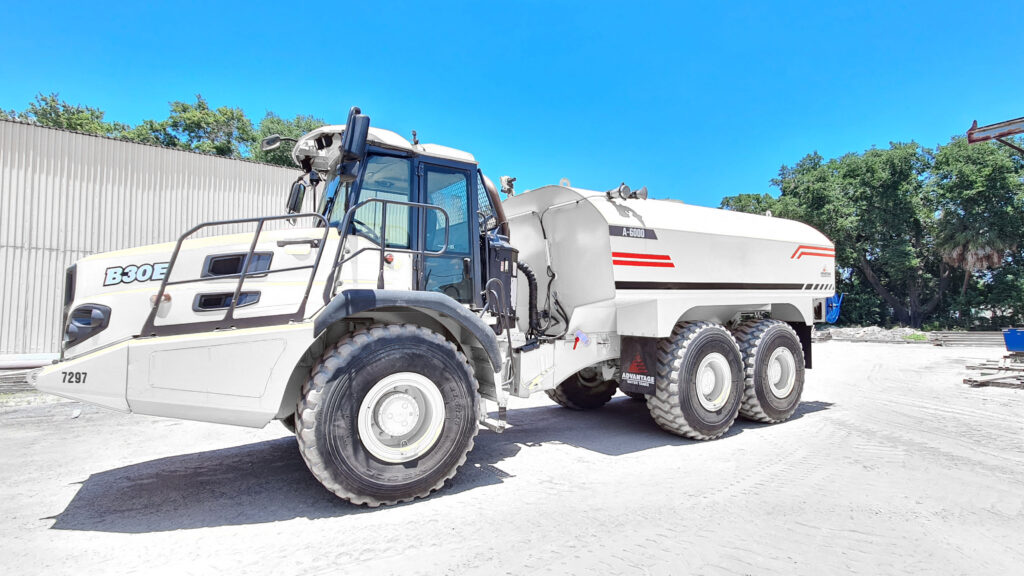
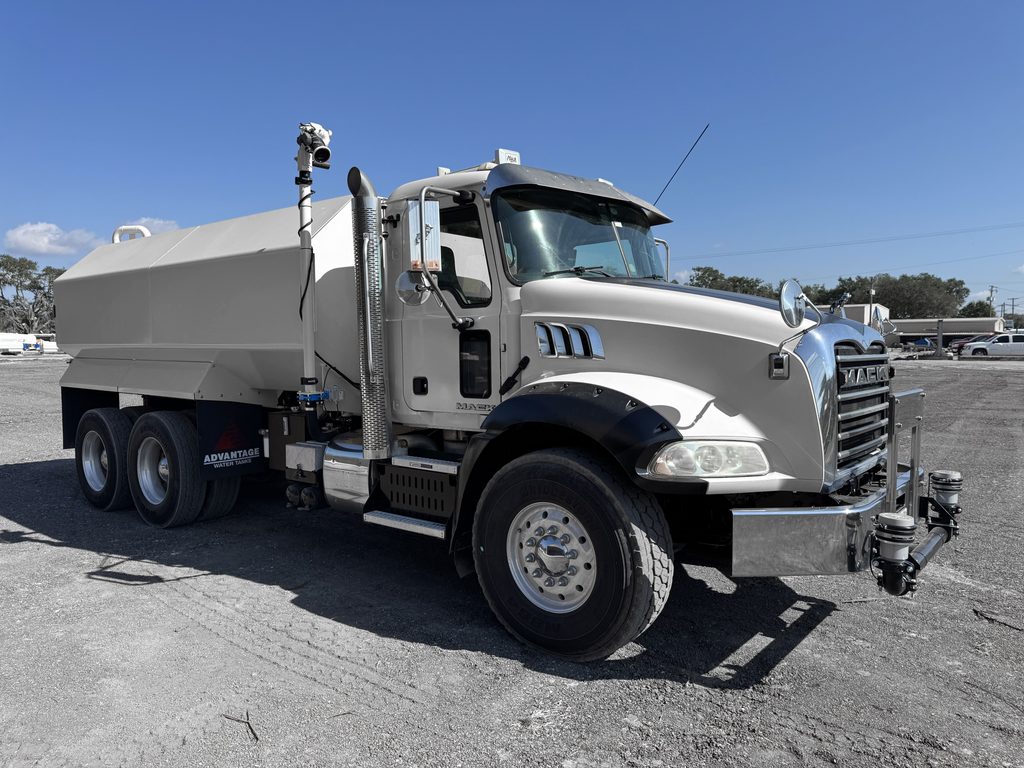
Advantage Water Tanks builds tanks only. Clients mount the tank on their own chassis, so the design has to work with that truck. The company designs its tanks to fit a wide range of chassis. For a fleet running on-road tanks or a larger configuration, the design starts with the truck it will ride on.
Capacity Options Across Truck Types
Advantage Water Tanks lists these capacity ranges by truck type:
● On-road trucks: 2,000 to 4,000 gallons
● Articulated trucks: 5,000 to 9,000 gallons
● Rigid frame trucks: 10,000 to 24,000 gallons
Larger fleets often compare articulated tanks with rigid frame tanks before deciding. Each capacity choice affects refill frequency and how much load the truck carries during a shift.
When the same team designs and builds the tank, custom requests can stay in one conversation. You do not need to move the details between several vendors, which lowers the chance of miscommunication.
Construction Tank Warranty Confidence
Simply put, a water tank warranty shows how much a builder trusts its own work. It also shows who is responsible when a problem comes up. Read the terms closely before you sign.
What the Workmanship Warranty Covers
Workmanship on the tank build typically carries its own warranty. That coverage applies to the build itself, not to every component mounted on it. Ask the supplier to explain exactly which parts of the build fall under this coverage. (NOTE: Advantage Custom Water Tanks offers the industry’s strongest tank workmanship warranty at 4 years!)
Equipment Carries Its Own Warranties
Parts like the pump, spray heads, and hydraulic motors come with their own manufacturer warranties. Those warranties come from the equipment makers, not from the tank builder. Before you buy, ask which warranty applies to each component. That way you know who handles a claim and where to start.
Direct Manufacturer Benefits for Service and Support
Buying from the company that builds your tank changes the service conversation. The company that built the tank is the natural place to ask technical questions. That often makes those answers easier to get.
One Place for Technical Questions
When a question comes up about welds, baffles, or mounting, the builder can answer it directly. You do not need to pass the question through several people before it reaches someone who knows the design. That saves time when your crew needs an answer on the job site.
Replacement Parts on Hand
Advantage Water Tanks keeps replacement parts in stock. A part on the shelf can shorten the wait when something wears out, which matters on a busy job site. Ask about parts and accessories for your tank model before you order, so you can plan your spares.
Red Flags That Suggest Outsourced or Assembled Tanks
Not every unclear answer means a supplier is cutting corners. Still, some answers deserve a second look. Use the list below as a checklist when you compare suppliers.
Manufacturing Transparency Is the Easiest Test
Manufacturing transparency is the simplest way to compare suppliers. A builder with a clear process can explain each stage without hesitation. If a supplier gives vague answers about its own production, ask for specifics before you move forward. Watch for these signs:
- The supplier is vague about where the tank is cut, formed, and welded.
- Nobody on the team can explain how the tank mounts to your chassis.
- The warranty terms do not say who handles the tank build.
- Custom requests get passed to another company without a clear explanation.
- Replacement parts or documentation are hard to get after the sale.
Ask the Right Questions Before You Buy
Before you commit, compare custom water tank manufacturers using the same set of questions. The answers will tell you more than any glossy brochure. Start with questions like these:
● Where is the steel cut, formed, and welded?
● Are the inside and outside seams welded, and how does the team check them?
● How is the tank designed to fit my specific chassis?
● Which warranty covers the tank build, and which covers the equipment?
● What replacement parts do you keep on hand for my tank model?
Ask Suppliers About Their Process, Then Talk With Advantage Water Tanks
Asking about manufacturing is one of the best ways to judge a supplier. Put the questions above to every company on your list, and pay attention to how clearly each one answers.
Then see how the process works for your own order. Reach out to Advantage Water Tanks and walk through your truck, your job site, and the setup you have in mind. Ask how both sides of each seam are welded and how the design fits your chassis, then judge the answers for yourself.
Frequently Asked Questions
What does in-house water tank manufacturing mean?
In-house water tank manufacturing means the company that sells the tank also controls the main production steps. Cutting, forming, and welding happen within one operation instead of being spread across several outside shops. For a buyer, the main benefit is visibility. You can ask one team about every stage.
It does not automatically make every tank better. It does make the process easier to understand and check before you buy. That clarity helps most when something goes wrong and you need a straight answer fast.
Why does welding both the inside and outside of a tank matter?
Welding both sides of a seam helps keep water where it belongs. A seam welded from only one side can leave a path for leaks or hidden cracks, and those flaws are hard to inspect after the tank is built. Advantage Water Tanks welds both the inside and the outside of its tanks, so ask how that work is checked.
A clear answer that explains how the inside seams are made is a good sign. A vague answer deserves a follow-up question before you decide. Ask whether the supplier checks those inside welds before the tank ships.
How is a workmanship warranty different from an equipment warranty?
A workmanship warranty covers the quality of the build itself. For a water truck tank, that means the work the builder does on the tank. An equipment warranty covers parts made by someone else, such as the pump, spray heads, and hydraulic motors. Those parts carry the warranty from their own manufacturers.
For Advantage Water Tanks, the build itself carries an industry leading 4 years of workmanship coverage.
Can I ask a builder to design a tank for my specific chassis?
Yes, and this is one of the most useful questions you can ask. Custom water truck tanks should fit the chassis they will ride on. The design has to account for mounting points, available space, and the work the truck will do each day.
Advantage Water Tanks designs its tanks to suit a wide range of chassis, so you can share your truck details at the start. A supplier may ask about the truck and the job. Bring the make, model, and intended work to your first call, because those details shape the design.
Does buying direct from a manufacturer always cost less?
Not always, and it helps to be honest about that. Price depends on tank size, the options you choose, the chassis, and the timing of your order. Buying direct can remove a middle layer, but the real value often comes from what you get past the sticker price.
Think about welds, design support, warranty terms, and the parts you can get later. Compare full offers side by side, and make sure each one lists what is included. A lower price that leaves out important details can cost more over the life of the tank.