
Road construction water trucks operate in a different environment than general construction. Long linear haul distances, traffic management concerns, proximity to active roadways, and coordination with paving operations create specific setup requirements. This article walks through how highway construction water trucks can be configured and deployed for efficient dust control on linear projects.
Getting this right means fewer traffic disruptions, better dust coverage across long segments, and operations that work within the constraints of working on public roads.
Water Capacity Considerations for Long Highway Segments
Highway dust control on road projects means covering long distances between water sources. Understanding your typical haul distances shapes your tank capacity decision.
Most road projects work with haul distances ranging from two to eight miles one way. A tank that works for a one-mile construction site becomes limiting on highway segments. You’re either refilling more frequently or running underutilized capacity.
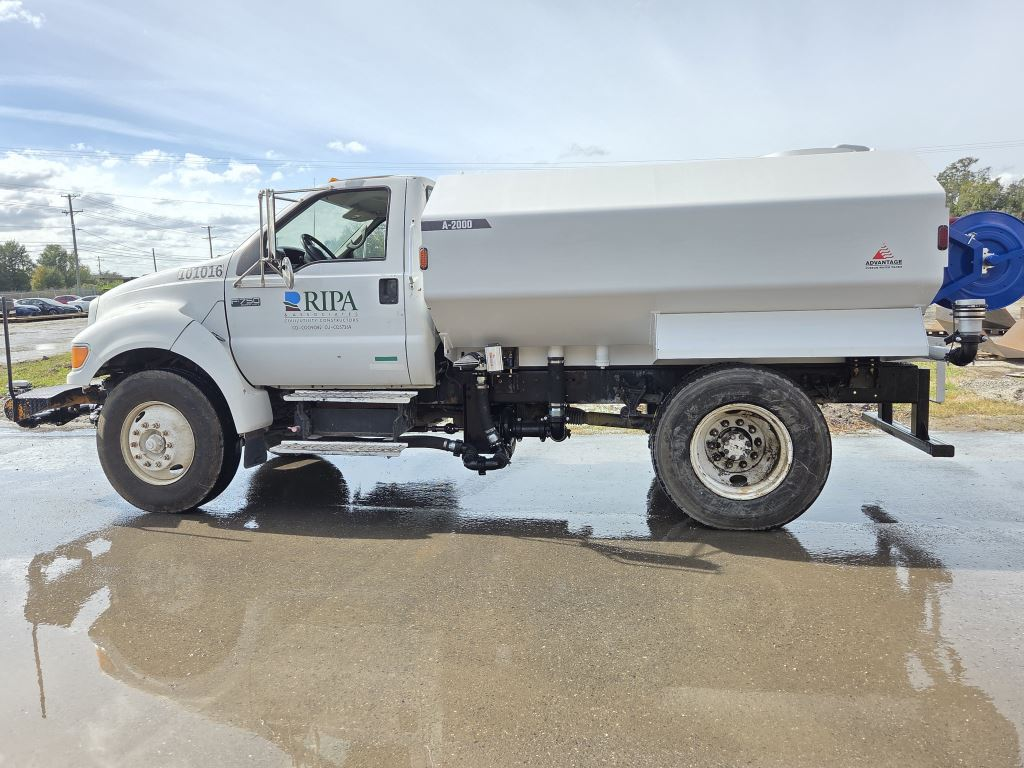
Map your typical project:
Know the distance from your water source (hydrant, water truck staging area, or water supplier) to the far end of your work zone. If you’re covering a five-mile segment and your source is one mile away, you’re looking at roughly six miles of operations before needing to refill. Proper capacity planning for highway work means matching your tank size to your typical haul distance.
Use that distance to guide capacity selection. Most road building equipment on linear construction projects performs well with 4,000 to 6,000-gallon tanks. This capacity handles typical haul distances without requiring constant refills or carrying unnecessary weight on the road.
Consider terrain and grade:
Uphill haul routes use more fuel and limit reasonable equipment weight. Downhill haul routes can carry more water without mechanical strain. Your typical terrain should influence whether you spec toward the lower or higher end of your capacity range.
Spray Bar Configuration for Uniform Road Coverage
Linear construction creates different coverage challenges than clustered sites. A traditional rear-mounted bar doesn’t always deliver uniform coverage across the full width of a road bed.
Standard configurations work for most road projects:
Rear bars work well for one-direction application. Side bars add width coverage when working on road shoulders or median areas. Many road construction operations use rear bars for the primary work zone and side bars for adjacent areas.
Coverage width matters more than you think.
Road building projects often require coverage beyond the immediate work zone. Shoulders, paving prep areas, and traffic safety zones all benefit from dust control. Your spray bar configuration should account for the full width you need to cover, not just the primary work area.
Talk to your equipment provider about your typical coverage requirements.
Different road bed widths, project types, and dust control scopes work better with different spray configurations. Highway dust control setup should match your typical project requirements rather than trying to make one configuration work for everything.
Refill Planning to Minimize Traffic Disruption
Water sources on highway projects aren’t always convenient. Unlike site-based construction, you’re managing traffic, right-of-way access, and coordination with highway maintenance operations.
Know your refill locations upfront.
Before work starts, identify where you’ll refill your truck. Public hydrants, water supplier contracts, other equipment partnerships—understand your options and which ones work with your traffic management plan.
Timing your refills around traffic patterns:
Refilling during high-traffic hours creates disruption and safety concerns. Plan refill windows around traffic management strategy. Early morning or off-peak periods minimize conflicts with active roadway traffic.
Multiple smaller tanks versus one large tank:
Some projects work better with two 3,000-gallon tanks at different locations rather than one large tank requiring longer haul distances. Multiple tank positioning reduces refill frequency and allows continuous coverage during refills—valuable on long linear projects.
Coordination with Grading and Paving Operations
Road construction isn’t just dust control. It’s dust control integrated with grading, base preparation, and paving schedules.
Dust control needs change as work progresses:
Early grading needs aggressive dust suppression. Final paving work requires different coverage to avoid delaying material placement. Linear construction water trucks configured for early-phase work might be oversized for final operations or undersized for rough-grading phases.
Communicate with your grading and paving crews:
Understand when they need maximum water application versus minimal coverage. Coordinate spray timing with their equipment movements and material deliveries.
When paving operations begin, paving dust control shifts toward managing traffic-generated dust rather than equipment-generated dust. Your spray strategy needs to shift with the work phase.
Public Road Dust Control: Higher Visibility and Expectations
Working on or adjacent to active roadways means your dust control is visible to the public. One poor dust event affects traffic, creates safety concerns, and generates complaints to DOT and project management.
Dust control on public roads sets higher expectations than site-based work.
You can’t rely on working early morning or off-peak hours to hide poor coverage. Public road projects require reliable, consistent dust control throughout working hours.
Set up your equipment for worst-case conditions:
Plan for peak dust potential—dry conditions, high winds, active traffic, and full equipment operation simultaneously. Your tank capacity and spray configuration should handle worst-case scenarios, not best-case operation.
Invest in coverage consistency:
Inconsistent spray patterns or coverage gaps are more visible on linear work where observers can track your operation across long distances. Regular spray system maintenance and configuration verification matter more on public roads than general construction.
Tank Mounting Considerations for Highway Travel Between Sites
Road building equipment travels long distances between job sites. That travel is different from moving equipment across a construction site yard.
Highway travel requires stable, secure mounting:
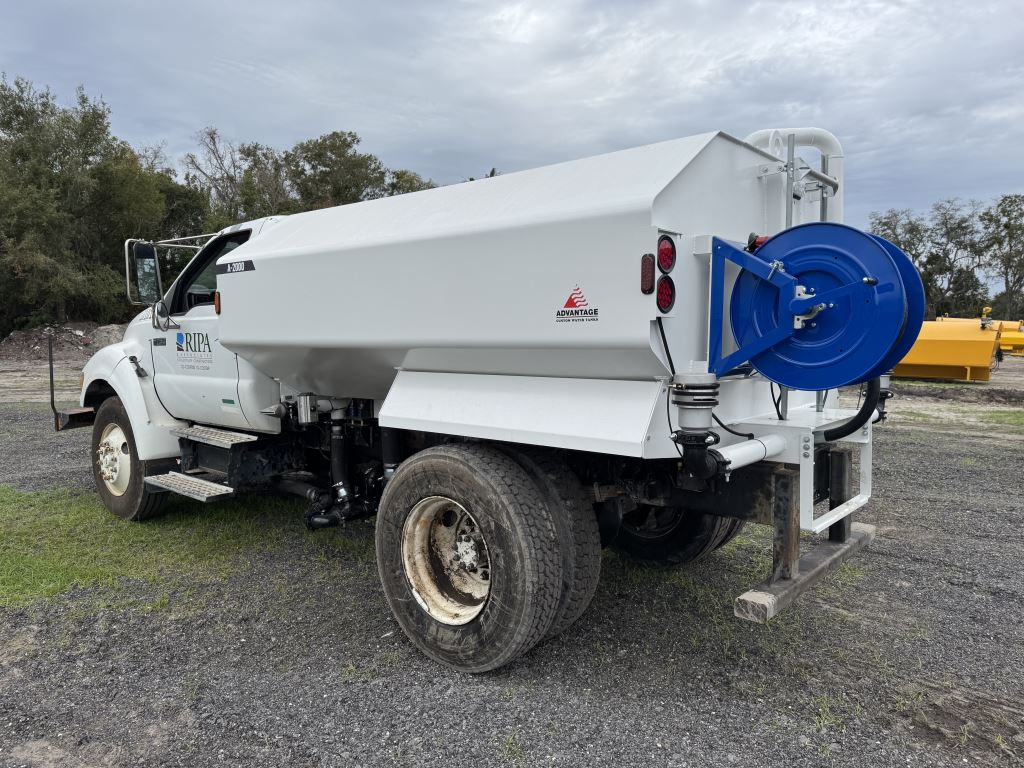
Your tank must remain balanced during highway speeds and highway handling. Standard haul-road mounting might work for construction-to-construction movement but not for sustained highway operation. Linear construction water trucks for highway work need mounting systems that maintain stability and security during highway transit—secure tie-down, stable weight distribution, and streamlined design support safe highway operation.
Consider fuel efficiency and handling on highway routes:
Empty tanks create a different weight distribution than full tanks. Loaded tanks traveling long distances affect fuel consumption. Your mounting system should account for these variations in weight and operation.
Efficiency on Linear Projects
Getting water truck tank setup right on highway projects means understanding that linear work creates different challenges than clustered construction.
Road construction water trucks work best when configured for your typical project:
Long haul distances, traffic management requirements, coordination with paving schedules, and public visibility shape your setup. One-size-fits-all approaches don’t work across different road projects.
Discuss your typical project types and haul distances, and explore water tanks and equipment for your needs.
Advantage Water Tanks manufactures custom water tanks and understands road building requirements and highway construction constraints. When discussing your typical project types and haul distances, you can work through configuration options for typical distances, coverage requirements, and traffic management needs on road projects.
Frequently Asked Questions
What tank capacity should we use for typical highway projects?
Most road construction operations work well with 4,000 to 6,000-gallon tanks for typical haul distances. Your specific capacity should match your distance from the water source to the work zone and dust control scope. Longer haul distances justify 6,000-gallon capacity. Shorter routes work with 4,000-gallon tanks.
Should we use one large tank or multiple smaller tanks?
That depends on your project layout and refill strategy. One large tank minimizes equipment and simplifies operations. Multiple smaller tanks positioned at different locations reduce individual refill frequency and allow continuous coverage during refills. Consider your traffic management plan and water source locations when deciding.
How often do we need to clean spray nozzles on highway projects?
Highway dust is typically coarser than site-based dust and clogs nozzles faster. Inspect and clean nozzles daily on heavy-dust projects. This keeps spray patterns consistent, which matters more on public roads where coverage gaps are visible. Regular maintenance prevents the sluggish spray response that develops from partially clogged nozzles.
Can we refill during peak traffic hours?
It’s better not to. Refilling during high-traffic periods creates disruption and safety concerns. Plan refill windows around your traffic management strategy—typically early morning or off-peak periods. If your work area requires refilling during traffic hours, coordinate with traffic control and DOT to manage the operation safely.
What spray configuration works best for road project dust control?
Rear bars work well for primary work zone coverage. Adding side bars improves width coverage for shoulder work, adjacent areas, or median projects. The right configuration depends on the actual width you need to cover. Discuss your typical road widths and coverage requirements with your equipment provider when specifying spray setup.
What should we consider when specifying equipment for highway haul distances?
Consider practical requirements for highway operation: tank mounting stability, secure fastening, weight distribution, and streamlined design matter for safe transit. Your specifications should account for typical highway conditions and traffic management needs. Some road contractors reference “DOT water truck requirements” when evaluating mounting and structural specifications for highway-rated equipment, though regulations vary by location.
How does dust control need to change for paving operations?
Early-phase grading needs aggressive dust suppression. Paving surface work needs less coverage to avoid delaying material placement or curing. Coordinate with your paving crews about when they need maximum water application versus minimal coverage. Plan to adjust your spray timing and application strategy as work phases change.