
When you’re running a fleet with water tank weight distribution challenges, getting the basics right isn’t just about performance – it’s about keeping your drivers safe and your equipment running smoothly. Whether you’re hauling water for dust control on a construction site or managing street cleaning operations, proper weight distribution can make or break your operation.
Most fleet operators know their trucks carry heavy loads, but many don’t realize how water’s unique properties create special challenges. Water shifts, sloshes, and changes the vehicle’s center of gravity in ways that static loads don’t. That 3,000-gallon tank that seemed manageable when empty becomes a completely different beast when full.
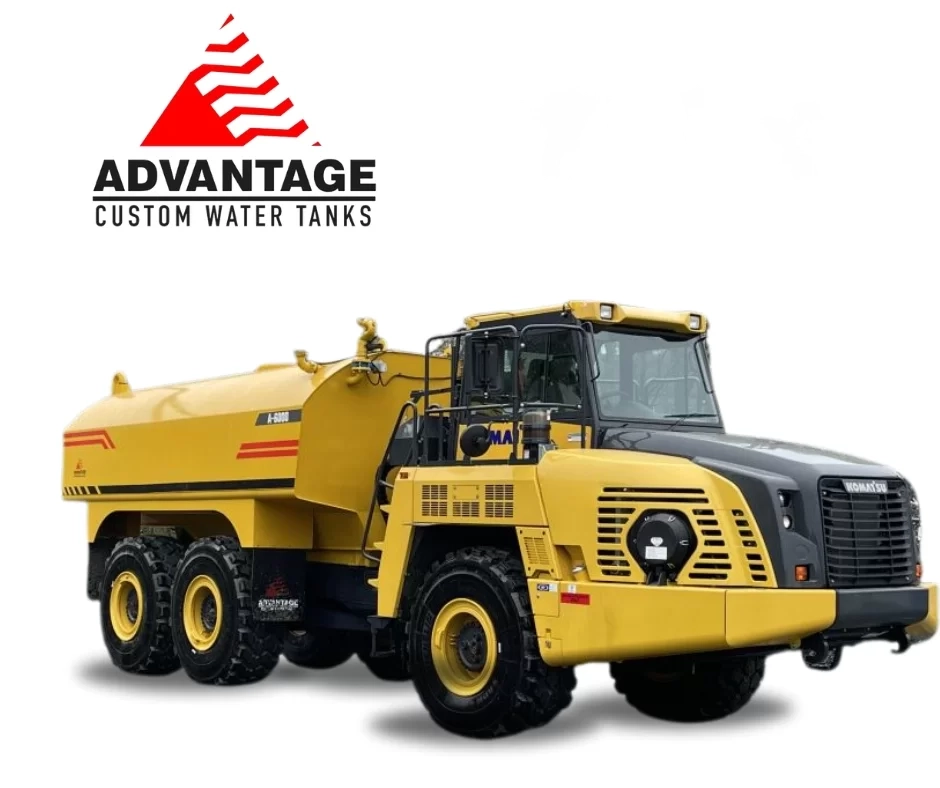
Why Weight Distribution Matters for Water Trucks
Water tank weight distribution affects everything from braking distance to tire wear. Water weighs about 8.34 pounds per gallon, so that 2,000-gallon tank you’re considering adds over 16,000 pounds to your truck when full. But it’s not just the weight – it’s where that weight sits and how it moves.
Poor weight distribution leads to uneven tire wear, reduced braking performance, and handling problems that put your drivers at risk. When water sloshes forward during braking, it can push your truck past safe stopping distances. During turns, the moving water creates forces that can destabilize the entire vehicle.
The financial impact hits hard, too. Overloaded axles mean expensive fines, premature tire replacement, and potential damage to your chassis. Getting it right from the start saves money and headaches down the road.
Understanding Chassis Loading Fundamentals
Your truck’s chassis has specific weight limits for each axle, and these aren’t suggestions. The Gross Vehicle Weight Rating (GVWR) tells you the maximum safe weight for your entire vehicle, while the Gross Axle Weight Rating (GAWR) sets limits for front and rear axles separately.
Most water tanks mount behind the cab, which puts significant weight on the rear axles. This seems obvious, but the exact positioning makes a huge difference. Move that tank six inches forward or backwards, and you can shift hundreds of pounds between axles.
When working with Advantage Water Tanks, proper mounting becomes crucial for achieving optimal weight distribution. Their custom tank designs consider your specific chassis requirements to help balance the load properly.
The key is understanding your chassis specifications before selecting tank size and position. Check your truck’s data plate for exact weight ratings, then work backwards to determine how much water capacity you can safely carry.
Center of Gravity and Vehicle Stability
Center of gravity affects how your truck handles, especially during turns and emergency maneuvers. Water tanks raise the vehicle’s center of gravity compared to the empty truck, making it more prone to rollover.
Full tanks create a high, heavy center of gravity. But partially filled tanks present different challenges – that free-surface effect means water can slosh around, creating dynamic forces that change the effective center of gravity as you drive.
Tank design plays a role here. Tanks with internal baffles help control water movement, reducing the sloshing effect that destabilizes the vehicle. When evaluating tank options from the shop, consider how the internal structure affects stability.
The goal is keeping the center of gravity as low and stable as possible while meeting your operational needs. Sometimes this means choosing a longer, lower tank over a taller one, even if it costs a bit more upfront.
Calculating Proper Weight Distribution
Getting the math right starts with knowing your truck’s empty weight distribution. Weigh your truck empty at a certified scale, checking both front and rear axle weights separately.
Here’s the basic calculation process:
First, determine your available payload capacity by subtracting the empty truck weight from the GVWR. Then calculate water weight (tank capacity × 8.34 pounds per gallon). Add tank weight and any mounting hardware to get the total added weight.
The tricky part is figuring out how this weight distributes between axles. Tank position relative to the axles determines the split. A tank mounted directly over the rear axle puts most of the weight there, while positioning it between axles spreads the load.
Use the lever principle to estimate weight distribution. Measure distances from the tank center to each axle, then calculate proportional weight distribution based on these distances.
Regulatory Compliance Requirements
Department of Transportation (DOT) regulations set strict limits on axle weights and overall vehicle weight. Exceed these limits, and you’re looking at significant fines and potential vehicle impoundment.
Commercial vehicles with a Gross Vehicle Weight Rating (GVWR) over 26,000 pounds require the operator to hold a Commercial Driver’s License (CDL). This weight limit includes the truck itself, the driver, cargo, and any additional equipment.
Weight distribution affects brake requirements, too. Vehicles over a certain weight need specific braking systems and periodic inspections. Make sure your truck meets all applicable standards before hitting the road.
Some states have specific regulations for water trucks, especially those used in construction zones. Check local requirements in your operating area to avoid compliance issues.
Best Practices for Safe Operation
Start every shift with a pre-trip inspection that includes checking weight distribution. Look for signs of uneven tire wear, which indicates chronic weight imbalance.
Train drivers on the effects of water movement during acceleration, braking, and turning. Partial loads require extra caution since free-surface sloshing creates unpredictable handling characteristics.
Plan routes that avoid steep grades and sharp turns when possible. These conditions amplify weight distribution problems and increase rollover risk.
Consider installing onboard weighing systems for operations that frequently change load sizes. These systems help drivers stay within legal limits and maintain proper weight distribution.
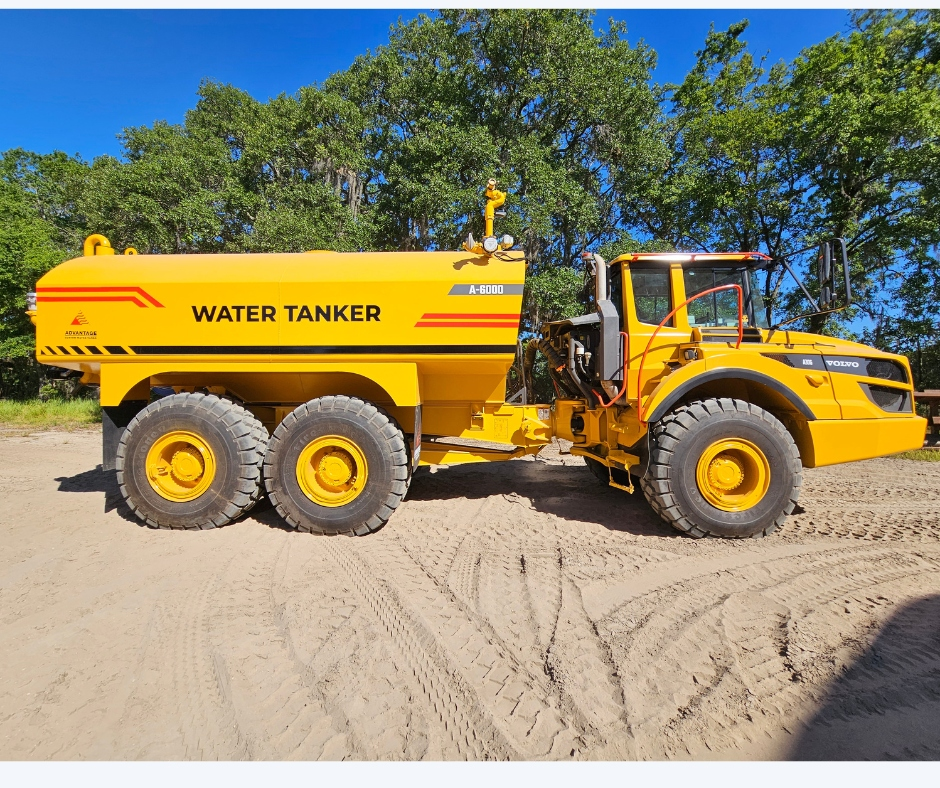
Performance Impact Assessment
Proper water tank weight distribution directly affects fuel economy, tire life, and overall vehicle performance. Overloaded front axles cause excessive tire wear and poor steering response. Overloaded rear axles lead to premature spring failure and handling problems.
Brake performance suffers when the weight distribution is wrong. Front-heavy trucks have longer stopping distances, while rear-heavy trucks can experience brake fade under heavy use.
Transmission and engine life also depend on proper loading. Overweight trucks work harder, generating more heat and wearing components faster.
Optimize Your Fleet with Expertly Engineered Water Tanks
Getting water tank weight distribution right isn’t complicated, but it requires attention to detail and understanding of basic principles. Proper weight distribution keeps your drivers safe, extends equipment life, and helps you stay compliant with regulations.
Work with experienced tank manufacturers who understand chassis integration. The upfront investment in proper design pays dividends in safety and operational efficiency.
Ready to discuss your specific weight distribution needs? Contact us to talk about custom tank solutions that work with your existing fleet requirements.
FAQ
Q: What happens if my water tank’s weight distribution is wrong?
A: Poor weight distribution leads to uneven tire wear, reduced braking performance, handling problems, and potential DOT violations. You might face expensive fines, premature equipment failure, and safety risks for your drivers. It’s worth getting it right from the start rather than dealing with these costly consequences later.
Q: How do I calculate the center of gravity for my water tank setup?
A: Calculate center of gravity by finding the weighted average position of all masses. For a water tank, consider the tank’s empty weight and position, plus water weight and its center point. The combined center of gravity shifts as water level changes, which is why partially filled tanks can be more challenging to handle than full ones.
Q: Do I need special permits for heavy water tank trucks?
A: Permit requirements depend on your truck’s Gross Vehicle Weight Rating and local regulations. Trucks over 26,000 pounds typically require CDL operators, while extremely heavy loads might need overweight permits. Check with your local DOT office for specific requirements in your operating area, as rules vary by state.
Q: How does partial tank filling affect weight distribution?
A: Partially filled tanks create free-surface effects where water can slosh around during vehicle movement. This sloshing changes the effective center of gravity dynamically, making the truck harder to control during turns, acceleration, and braking. Many operators find that tanks either completely full or nearly empty handle more predictably than partial loads.
Q: What’s the best tank position for optimal weight distribution?
A: The best position depends on your specific chassis and operational needs. Generally, positioning the tank’s center of gravity as close to the truck’s center of gravity provides the most balanced handling. This often means mounting the tank between axles rather than entirely behind the rear axle, though your chassis specifications will determine the exact optimal position.