
You’ve been running the same water truck for a while. The dust control seems to work most days, but there are constant adjustments, workarounds, and moments where coverage just doesn’t quite keep up. These might not feel like major problems. They’re just part of running a job site, right?
Maybe. Or maybe your operation has outgrown the equipment you’re using, and what feels normal is actually a pattern of inefficiency costing you more than an upgrade would. Water truck capacity upgrade decisions aren’t about chasing new equipment. They’re about recognizing when your current setup has become the bottleneck limiting your effectiveness.
Let’s walk through the indicators that separate normal operational challenges from equipment that’s holding you back.
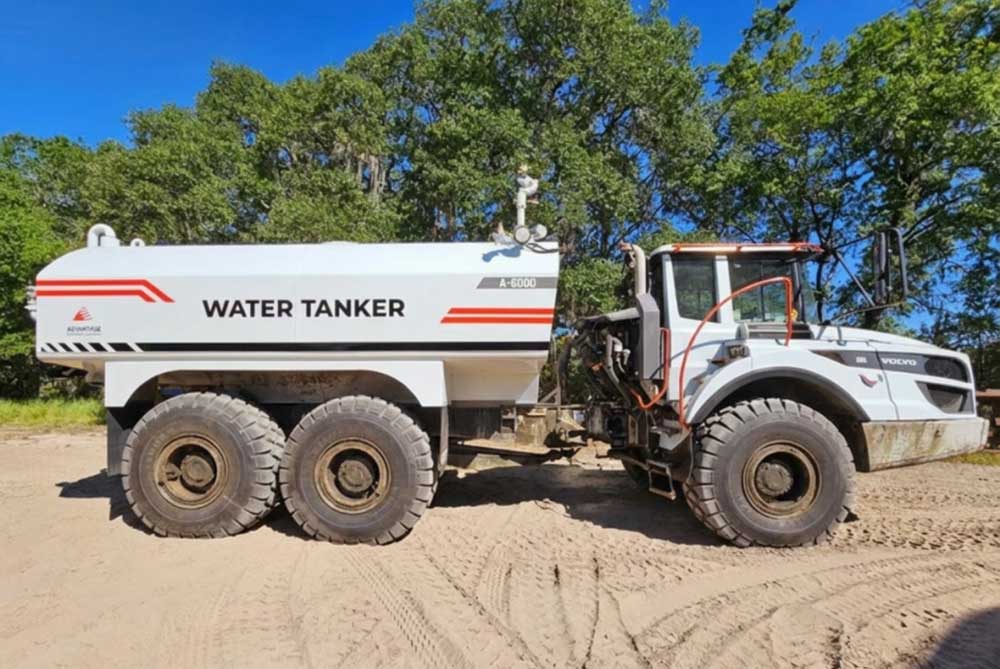
Common Signs of Inadequate Capacity
Equipment inadequacy doesn’t announce itself with a breakdown. It shows up in patterns you might have stopped noticing because they’ve become routine.
Your operator makes three refill trips per shift when the job site is only running one active area. The back half of your haul road stays dusty because water runs out before completing coverage. Complaints about dust come in regularly from the same locations. You’re constantly adjusting routes and priorities to stretch water capacity.
These aren’t isolated incidents. They’re symptoms of a capacity mismatch between what your site generates and what your equipment can handle.
Observable patterns indicating capacity problems:
- Refilling more than twice per shift for normal operations
- Coverage gaps in standard work areas
- Dust complaints from locations that should be covered
- Operators choosing which areas to skip due to limited water
- Inconsistent dust control quality across the site
When operators start making triage decisions about what gets watered and what doesn’t, your equipment capacity has become the constraint determining coverage rather than your dust control plan.
Frequent Refills: The Hidden Time Cost
Refilling feels productive. The truck is getting water, so the job continues. But every refill represents time the truck isn’t controlling dust, and that time adds up faster than most people track.
A 30-minute refill twice per shift means an hour daily of non-productive time. Over a month, that’s 20+ hours your water truck spends doing something other than dust control. If you’re paying an operator and running equipment that’s sitting idle at a water source, you’re paying for downtime that looks like work.
Calculate what you’re actually getting from your current capacity. If a 4,000-gallon tank requires two refills per shift to cover your site, you’re effectively getting 12,000 gallons of capacity at the cost of multiple trips. A single 8,000-gallon tank or rigid frame water tank delivers the same capacity without the refill downtime.
The question isn’t whether refills are necessary. It’s whether you’re refilling because your operation demands it or because your tank capacity forces it. One is operational reality. The other is an equipment limitation masquerading as normal operation.
Coverage Gaps: When Your Site Outgrows Your Equipment
You planned dust control for a 10-acre active area, and your water truck handled it fine. Then the project expanded. Now you’re covering 15 acres with the same equipment, and somehow dust control never seems quite adequate anymore.
Project scope changes, but equipment doesn’t automatically scale with it. The truck that was right-sized for Phase 1 becomes undersized for Phase 2, and instead of recognizing an equipment mismatch, teams often just accept reduced coverage quality.
Watch for these expansion indicators:
- Site area has increased, but water truck capacity hasn’t
- Traffic on haul roads has doubled, but watering frequency hasn’t
- Active work zones have multiplied, but you’re still running one truck
- The project timeline has been extended, putting more wear on aging equipment
If your water needs have grown by 40% but your capacity stayed static, the gap shows up as incomplete coverage, dustier conditions, and more complaints. That’s not operational failure. That’s equipment that no longer matches operational scale.
Hidden Costs of Undersized Equipment
The obvious cost of inadequate capacity is the price of refills and extra routes. The hidden costs run deeper.
Labor inefficiency
Your operator spends hours per week managing equipment limitations rather than executing dust control. Time spent on extra refill trips and choosing coverage priorities is time you’re paying for that doesn’t improve results.
Fuel cost
Multiple refill trips and extended routes to manage limited water burn fuel. An undersized truck traveling more miles to accomplish less work uses more fuel than properly sized equipment.
Compliance risk
Inadequate dust control creates regulatory exposure. If your equipment can’t maintain required coverage, you’re hoping inspectors don’t show up on bad days. The cost of violations exceeds any equipment investment.
Reputation impact
Dust complaints from neighbors or visible dust clouds affect how clients view your operation. The reputational cost doesn’t show on a spreadsheet but influences future project opportunities.
Calculate honestly what you’re spending on extra labor, fuel, compliance risk, and operational friction. If that annual cost exceeds the payment on upgraded equipment, you’re already paying for an upgrade without getting one.
Project Growth Indicators
Sometimes, inadequate capacity isn’t about equipment failing. It’s about your operation succeeding beyond what your equipment was spec’d to handle.
You bought a 5,000-gallon articulated water tank that handled one project perfectly. Now you’re running three simultaneous projects, and that same tank can’t cover all of them. Your business grew. Your fleet didn’t.
Growth patterns that outpace equipment:
- The company has expanded from one to multiple active sites
- Project sizes have increased significantly
- Fleet utilization shows trucks are overworked, and coverage is insufficient
This isn’t an equipment problem. It’s a success problem. Equipment needs to scale with business growth, not remain static while everything else expands.
Comparing Upgrade Costs vs Inefficiency Costs
Here’s the math most companies skip: calculating what the current inadequacy actually costs versus what an upgrade would cost.
Track one month of operations. Document refill frequency, labor hours on workarounds, fuel consumption, coverage gaps, and compliance issues. Assign realistic costs to each factor.
Example calculation framework:
Current monthly costs from inadequacy:
- Extra labor for refills and workarounds: $X
- Additional fuel from inefficient routing: $Y
- Compliance risk and violation potential: $Z
- Lost productivity from coverage gaps: $A
- Total monthly inefficiency cost: $X + $Y + $Z + $A
Equipment upgrade monthly payment: $B
If your monthly inefficiency cost exceeds or approaches the upgrade payment, you’re already funding an upgrade through operational waste without getting the upgraded equipment in return.
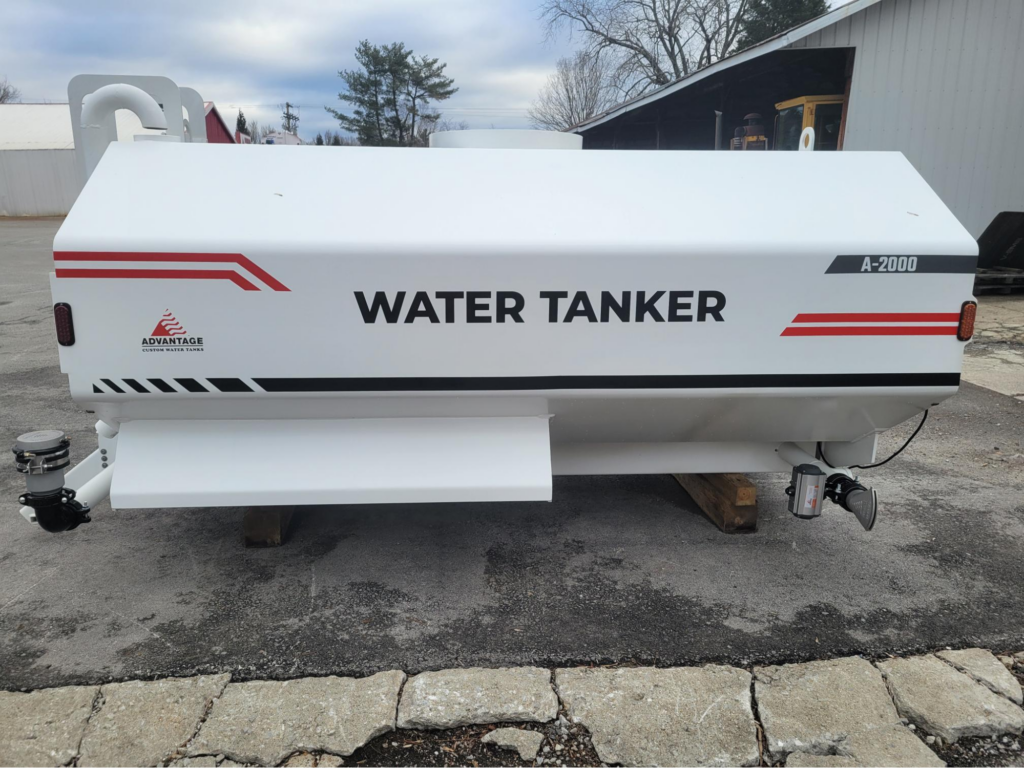
Replacement vs Augmentation Decisions
Not every capacity problem requires replacing existing equipment. Sometimes adding capacity makes more sense.
Your current 4,000-gallon on-road water tank works fine for your primary site, but a new project needs coverage, too. Buying a second truck serves both sites better than replacing the existing one.
Conversely, if your single truck is too small for your consolidated operation, replacement might be more efficient than running multiple undersized units.
When Augmentation Makes Sense
- Expanding to multiple simultaneous job sites
- Current equipment works well, but needs support
- Fleet redundancy would prevent a single point of failure risk
When Replacement Makes Sense
- Current equipment is undersized for consolidated operations
- Maintenance costs on aging equipment are climbing
- Technology or efficiency improvements justify replacement
The right answer depends on your operational model and how equipment limitations are manifesting.
Planning Upgrades Strategically
Upgrading reactively when something breaks creates urgency that limits options. Strategic planning means anticipating capacity needs based on your project pipeline.
Look at your next 12-24 months of contracted work. What dust control capacity will those projects require? If your current equipment can’t handle known upcoming work, you’re behind on planning.
Strategic planning factors:
- Review project pipeline for capacity requirements
- Assess current equipment age and maintenance trajectory
- Calculate break-even on upgrade costs vs operational inefficiency
- Plan purchases with lead time for delivery and operator training
- Consider fleet strategy: standardization vs specialized equipment
Equipment decisions made strategically cost less and deliver better outcomes than reactive decisions made under pressure.
Assess Your Capacity Reality
Water truck capacity upgrade decisions start with an honest assessment of whether equipment limitations are creating costs that exceed upgrade investments. Not every operational challenge indicates equipment inadequacy, but patterns of refill inefficiency, coverage gaps, and scaled-up projects outpacing static equipment capacity are clear indicators.
Calculate what your current limitations actually cost. Compare that to what properly sized equipment would deliver. If the math shows you’re already paying for an upgrade through operational waste, the question isn’t whether to upgrade. It’s whether to keep paying those costs without getting better equipment in return.
At Advantage Water Tanks, tank options range from 2,000-gallon on-road units to 24,000-gallon rigid frame systems, all custom-built to fit specific chassis and operational requirements.
Experiencing persistent dust control challenges? Contact Advantage Water Tanks to discuss your current equipment capacity and operational demands.
Frequently Asked Questions
How do I know if I need a larger water tank or a second truck?
Evaluate whether your coverage problem is about simultaneous locations or insufficient capacity for one area. Multiple active sites need a second truck. One site draining your tank before completing coverage needs a larger capacity. Track refill frequency and coverage patterns for a week to identify the root issue.
What’s the typical ROI timeline for upgrading water truck capacity?
ROI depends on current inefficiency costs. Track actual costs from refill downtime, extended routes, coverage gaps, and compliance exposure. Calculate monthly waste and compare to upgrade payments. Most operations see ROI within 12-24 months when inefficiency costs are properly measured.
Should I upgrade now or wait until my current equipment fails?
Waiting for failure creates an emergency replacement with limited options. Strategic upgrades planned around the project pipeline allow time for specification, delivery, and training. If upcoming work exceeds current capacity, plan proactively. Running equipment to failure costs more than planned replacement.
Can operational changes solve capacity problems without equipment upgrades?
Sometimes. Route optimization and better scheduling can reduce inefficiency. However, if you need 15,000 gallons daily and your tank holds 5,000 gallons, no operational adjustment eliminates the gap. Try operational improvements first, but recognize when math shows equipment is the limiting factor.
How do I justify equipment upgrades to management or ownership?
Document costs quantitatively. Track labor hours on refills, calculate fuel waste, note compliance issues, and measure coverage gaps. Present the total monthly inefficiency cost versus the upgrade payment. Show ROI timeline. Frame as choosing between paying waste indefinitely or investing in equipment that eliminates those costs.