
Water truck fleet standardization is one of the highest-impact decisions fleet managers make. When you standardize, you reduce complexity across your entire operation. But pure standardization doesn’t exist in construction. The real strategy is identifying what to standardize for maximum benefit and where flexibility still serves you better.
This article walks through how fleet managers build construction fleet management systems that gain most of standardization’s advantages without sacrificing the flexibility real projects demand.
Why Fleet Standardization Matters: Real Operational Benefits
Standardization changes how your fleet operates at every level.
Parts inventory shrinks dramatically.
One tank configuration uses one set of replacement parts. Two configurations require double the inventory. Five configurations require five inventory systems. Most fleet managers carrying multiple tank configurations maintain 40-60% more parts inventory than they need.
When you standardize, you stock fewer parts, get better pricing on the parts you do buy, and spend less time managing inventory.
Training becomes straightforward.
Operators trained on one tank configuration know every tank in your fleet. Equipment standardization benefits include consistent operator competency. New hires learn one system. Existing operators work any equipment without retraining. Equipment moves between sites without confusion.
Maintenance is predictable.
Identical equipment develops predictable wear patterns. Maintenance schedules become consistent. Technicians specialize in one system rather than juggling five. Preventive maintenance works better when you know exactly what to expect.
Versatility increases, not decreases.
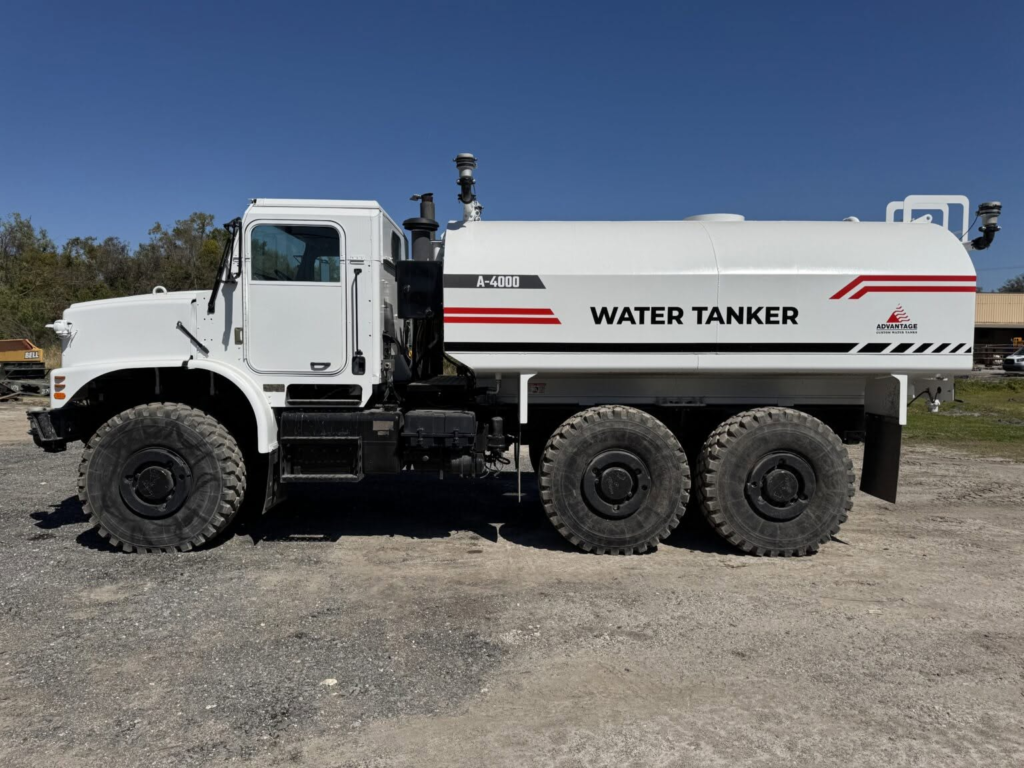
One tank type deployed across all projects proves surprisingly flexible. A 4,000-gallon tank works for most haul roads, dust control scopes, and seasonal demand variations. You’re not using half-empty tanks on small sites or rationing water on large sites. You’re using appropriate equipment appropriately.
Capital costs drop over time.
Repeated orders of identical specifications reduce unit costs. Vendors offer better pricing on standardized orders. You stop paying customization premiums. The savings compound quickly.
What Should You Standardize: The Core Specifications
Standardize strategically. Don’t standardize everything.
Tank capacity: Standardize this.
Choose one or two tank sizes that serve 85-90% of your projects. A 4,000-gallon tank works for most construction sites. A 6,000-gallon tank handles larger operations. Most fleets need only these two capacities.
Resist the urge to offer seven sizes “for flexibility.” That flexibility costs more than the problem it solves.
Spray configuration: Standardize this.
Standard rear bars, side bars, and cannon options work across almost all projects. Standardized equipment specs should include spray patterns that match your typical dust control needs.
Specialized spray systems for niche applications make sense occasionally. Don’t make them standard.
Mounting and connection systems: Standardize this.
One mounting approach across all tanks simplifies installation, troubleshooting, and equipment movement. Standardize connection types, valve placement, and control positioning.
Crews move tanks between sites and know exactly where controls are located. Installation time drops. Errors decrease.
Protective coatings and materials: Standardize this.
Material selection affects durability, maintenance, and lifespan. Decide on protective coating standards fleet-wide. Standardize material grades. Consistent construction means consistent performance and predictable maintenance.
What NOT to standardize:
Auxiliary equipment based on specific sites. A particular haul road might benefit from low-profile design. A mountain site might need different stabilization. Some projects need extra fittings for integration with existing infrastructure.
These site-specific additions don’t require different core tanks. They require flexible integration points on your standardized core.
Fleet Consistency Planning: Transition Strategy
Most fleets already exist with mixed configurations. Moving to standardization takes time.
Start now, transition gradually.
You don’t replace your entire fleet tomorrow. With each new purchase, standardize. Over three to four years, your fleet naturally becomes increasingly standardized without the shock of replacing everything simultaneously.
Set a firm date: “By 2027, our fleet uses only two tank configurations.” Work backward from that date. If you need 12 tanks by then and currently have 8, purchase 4 new standardized tanks over the next three years.
Fleet consistency planning includes retiring non-standard equipment strategically.
Don’t hold onto custom tanks just because they’re still operational. A tank that doesn’t fit your standard configuration costs more to operate than its residual value. Sell or retire it. Replace it with a standardized tank.
Document your standard.
Create specifications for your standardized tanks. Write them down. Share them with every vendor. Make them your starting point for every procurement conversation.
Your standard becomes: “4,000-gallon capacity, rear spray bars, side bars, side-mount configuration, stainless steel fittings, polyurethane protective coating.” That’s your fleet standard.
Equipment Standardization Benefits: Real Impact Numbers
When you standardize, measure the actual benefits across your operation.
Parts costs improve on standardized components. Vendors offer pricing breaks on repeated orders. You eliminate expensive custom parts. The savings add up across time.
Training efficiency increases when operators work one configuration. No retraining when equipment moves between sites. New hires master the system faster.
Maintenance improves with predictable schedules and familiar systems. Technicians troubleshoot faster on known equipment.
Equipment movement simplifies when you’re not reconfiguring or retraining. Transitions happen faster and with fewer errors.
Operating costs decrease over time through vendor pricing, reduced customization expenses, and more efficient fleet utilization. The combined impact compounds across your fleet over years.
Fleet Purchasing Strategy: Vendor Relationships Matter
Your relationship with tank manufacturers shapes standardization success.
Choose vendors who understand standardization.
Some vendors treat every order as a custom project. Others recognize standardization and build repeat orders into their model. Work with vendors who offer pricing advantages for standardized, repeated orders.
Develop a partnership approach to fleet purchasing strategy.
Share your standardization goals. Communicate your procurement timeline. Discuss volume commitments. Vendors who understand your strategy and can reliably deliver standardized equipment on a consistent basis support your long-term approach better than vendors treating every order as custom.
Advantage Water Tanks manufactures tanks and understands that consistent repeat orders of standardized specifications benefit both parties. They maintain in-house production capacity and can deliver multiple tanks reliably over time.
Negotiate standardization pricing into your contracts.
When you commit to purchasing ten identical tanks instead of five different configurations, negotiate price accordingly. Standardization creates value for vendors too. Share that value.
Documentation and Specification Management
Standardization only works when it’s documented.
Write your standard specifications.
Create a document: “Our Standard Water Truck Specifications.” Include tank capacity, spray configuration, mounting system, protective coatings, connection types, and control positioning. Every tank your company orders should reference this document.
Update it annually. As you learn what works and what doesn’t, improve the standard. But keep the standard itself stable enough that vendors can quote it reliably.
Use specifications in procurement conversations.
When you’re ready to purchase, hand vendors your specification document. “Build us four tanks to this standard. Here’s the document.” No guessing. No customization conversations that drift from your standard.
Track compliance.
When tanks arrive, verify they meet specification. Standardization only works if the actual equipment matches the documented standard. Construction fleet management systems should include receiving inspection against specifications.
Train your teams on the standard.
Operators, maintenance staff, and supervisors should know your standardized specifications. They should understand why you standardized and what they’re looking at when they see a standardized tank.
Discussing Standardization Strategy With Equipment Providers
Standardization decisions are too important to make alone.
Discussing your standardization goals with equipment providers helps you think through which specifications actually need to be standard and where flexibility still makes sense.
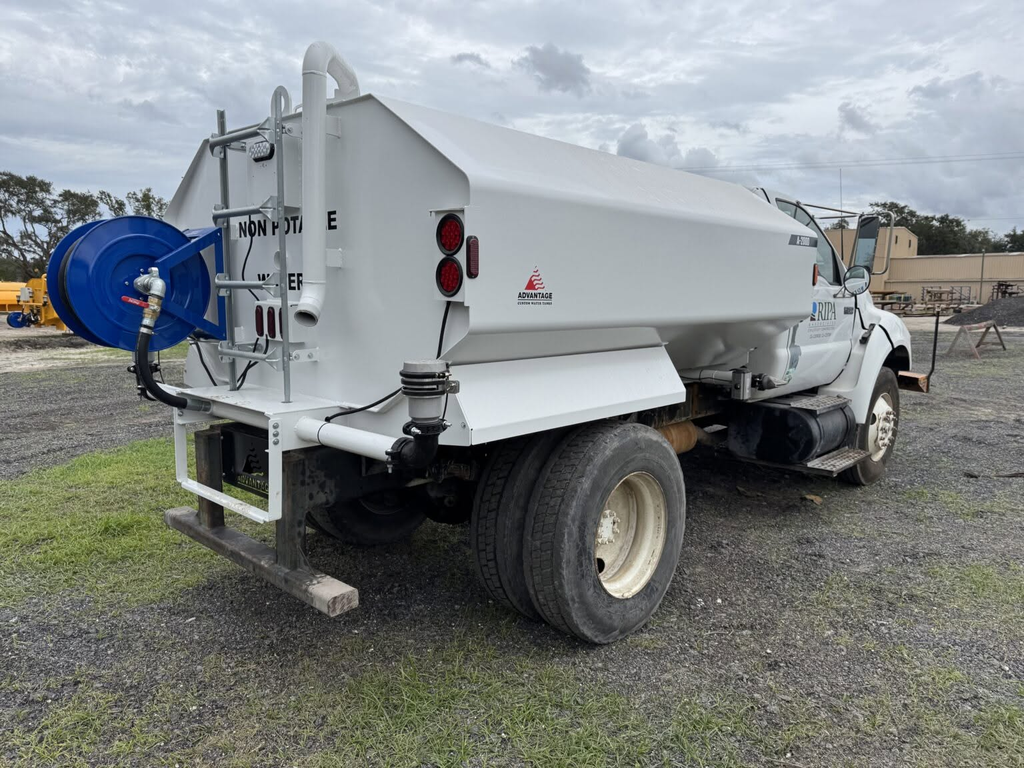
Advantage Water Tanks manufactures custom steel water tanks and understands the balance between standardization and the real flexibility project sites require. When discussing your standardization approach with them, you can explore how to build standards that serve most needs while remaining flexible for specialized applications.
They’re positioned to support repeated orders of standardized specifications with consistent manufacturing and the in-house production capacity to deliver reliably over time.
Frequently Asked Questions
How much money do we actually save with standardization?
Savings come from reduced parts inventory, faster training and maintenance, simpler equipment movement, and better pricing on repeated orders. Specific savings depend on your current fleet and purchase timeline. Track your actual costs to measure your benefit as savings compound over years.
What if we have projects with very different requirements?
That’s where “standardization with exceptions” comes in. Standardize your core tanks. Add specialized equipment to specific sites as needed. Most projects work with your standard. A few need additions. That’s acceptable and much more efficient than standardizing at the lowest common denominator.
Should we standardize tank size across our entire fleet?
Most fleets benefit from two sizes: a standard workhorse size (4,000 gallons) and a larger capacity option (6,000 gallons) for bigger operations. Resist creating seven sizes. Two sizes serve most needs, provide standardization benefits, and maintain operational flexibility.
How do we handle projects that are already in progress with non-standard tanks?
Keep them operating as long as they’re functional. Your standardization starts with new purchases. Over time, existing non-standard equipment phases out naturally. You’re not retroactively changing active projects.
Can small fleets benefit from standardization?
Yes. Even fleets with three or four tanks benefit from standardization. Standardization isn’t just for large operations. Smaller fleets often see percentage-based benefits even faster because they’re not managing complex configurations.
What if our vendor can’t deliver standardized tanks consistently?
That’s a sign to find a different vendor. Standardization only works if your vendor can reliably deliver to your standard. Consistency matters more than any single specification. Find a vendor who prioritizes it.