
A new water truck arrives on your job site, and your crew needs to start using it today. They know water trucks. They’ve run equipment. But this tank is different from the last one, and skipping the basics costs time, efficiency, and sometimes equipment.
Water truck operator training doesn’t mean overwhelming people with technical manuals. It means giving them the practical knowledge to start the day right, keep the equipment working, and know when to ask for help instead of guessing.
This is what your crew needs to know before they turn the key.
Pre-Operation Walkaround: What to Check Every Day
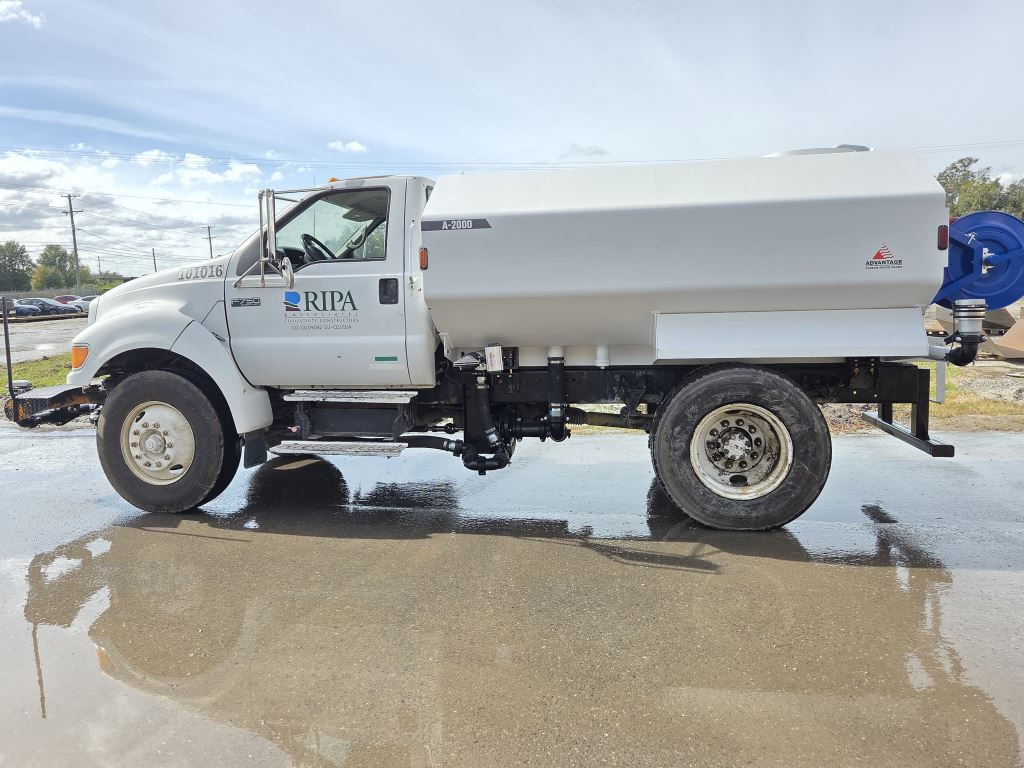
Before running a water truck, operators should walk around the entire machine. This pre-shift walkaround takes just a few minutes and catches most problems before they become operational headaches. Proper pre-operation checks are standard on all quality equipment.
The daily walkaround covers:
- Tank exterior – Look for cracks, dents, or damage from the previous day’s work. Check that nothing’s loose or rattling. A small crack now is easier to fix than a major leak during the shift.
- Hoses and connections – Inspect visible hoses for cracks, soft spots, or leaks. Check that connection points are tight. Leaks get worse when the system pressurizes, so find them early.
- Spray bars and nozzles – Look at nozzles for obvious clogs or damage. Spray bars should be firmly mounted with no visible play or loose bolts. A misaligned nozzle throws water where it shouldn’t.
- Water level – Check that the tank is full or at the expected level for the day’s work. You can’t spray what isn’t there, so verify fill status before planning coverage.
- Pump and equipment – Look for leaks around the pump area. Listen briefly for unusual noises. The system should look and sound like it did yesterday. If it doesn’t, that’s worth asking about.
This walkaround isn’t a detailed inspection. It’s a commonsense check that catches the obvious problems that would stop the truck or damage equipment.
Operating Controls and Spray Systems: Keep It Simple
New operators sometimes overthink controls. Spray systems are straightforward once they understand the purpose of each control.
Most water truck tanks have similar operating logic. You fill the tank, pressurize the system, and activate the spray. Operators should know: What fills? What pressurizes? What activates the spray?
Many systems have multiple spray options. Rear bars for general coverage. Side bars for edge work. Cannons for distance. Understanding which control operates which spray lets operators choose coverage patterns without wasting water.
Spray pressure matters. Low-pressure wastes water and covers poorly. Too much pressure causes runoff. Operators learn the right pressure range when they understand what they’re adjusting and why.
Controls should be clearly labeled, or operators should know the location of each one. Write labels if they’re not there. Five minutes prevent “which one is this?” questions all day.
Understanding Tank Capacity and Fill Indicators: Know Your Volume
Operators need to understand how much water the tank holds and how to recognize when it’s full or running low. Capacity knowledge matters because:
- Different tank sizes hold different volumes, so it follows that a 2,000-gallon tank empties faster than a 5,000-gallon tank. Operators who don’t know capacity misjudge when to refill, leaving work uncovered or wasting time on premature refills.
- Fill indicators vary by tank. Some are sight glasses showing the water level directly. Some are gauge indicators. Some are dipsticks. Operators should know how to read their specific indicator accurately.
- Knowing the tank is 4,000 gallons and typical coverage uses 1,500 gallons per hour means operators understand they need refills every 2-3 hours. That’s planning knowledge, not technical detail.
Common Operator Mistakes and How to Avoid Them
Every operator makes the same mistakes on new equipment until someone shows them better. Knowing the common ones prevents most problems.
Overfilling the Tank or Not Filling Completely
Operators either top it beyond capacity (which causes pressure problems) or leave it partially full (which wastes time on refills). Demonstrate “full fill” until they get it right.
Spraying in Wind or Ignoring Weather Conditions
High wind makes dust control ineffective and wastes water. Operators with experience know this, but it’s worth mentioning anyway. Coverage in calm conditions works better than fighting the wind.
Ignoring Warning Signs
A pump that sounds different than yesterday; spray that comes out uneven suddenly. These aren’t breakdowns yet, but they’re saying “something’s changing.” Train operators to report changes rather than ignoring them. Preventive awareness stops small problems from becoming big ones.
Basic Maintenance Awareness: They Don’t Have to Do It, But They Should Understand It
Operators don’t usually perform maintenance work. But understanding the basics prevents damage and helps them recognize problems early. What operators should understand:
- The system depends on clean water. Sediment damages pumps and clogs nozzles. If refilling from muddy sources, that matters. Clean municipal sources are better.
- Protective coatings on the tank prevent rust. Operators shouldn’t blast the tank with pressure washers or use abrasive cleaners that strip coating.
- Moving parts wear naturally. Spray heads, pumps, and motors age. Operators who understand this recognize when performance drops gradually rather than assuming defects.
- Filters catch debris before it damages equipment. They need periodic cleaning or replacement. Operators don’t usually do this work, but understanding why filters matter prevents them from bypassing them.
When to Stop Operating and Report Issues
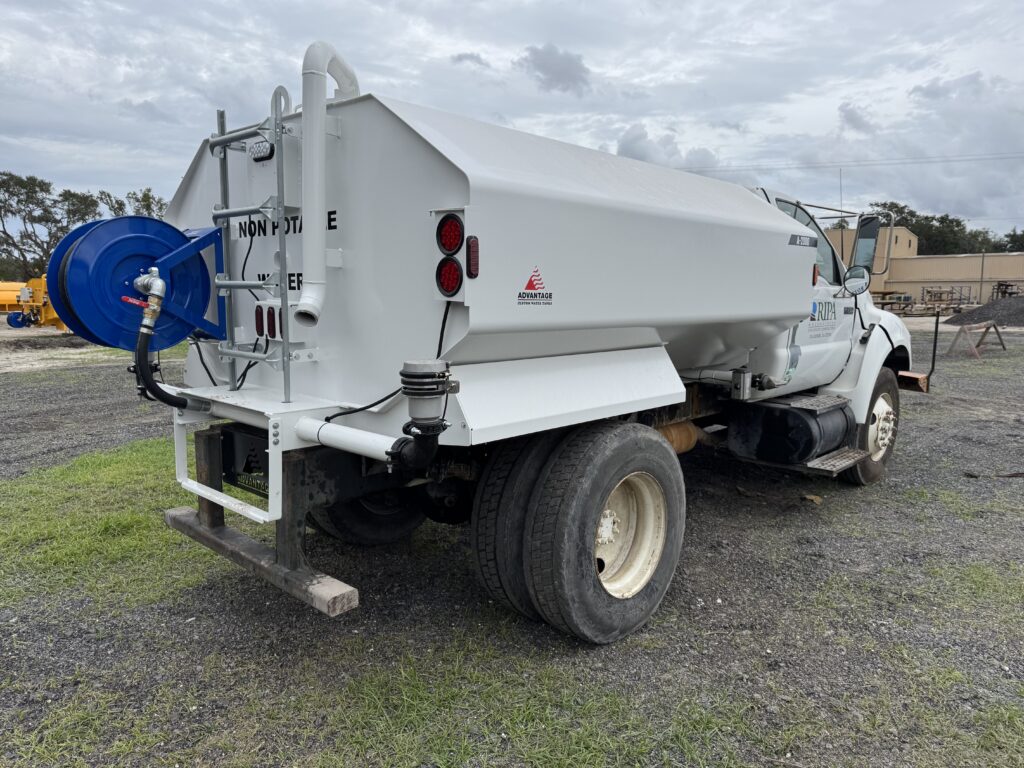
Knowing when to keep working and when to stop prevents equipment damage and safety problems. Your crew needs to know they can stop without consequences and report issues to supervisors or equipment specialists.
Here are the situations where operators should stop:
- Any visible leak that gets worse as pressure builds. Small weeping is sometimes normal, but streams of water mean something’s wrong. Stop and report it.
- Spray that suddenly changes pattern or coverage. If half the bars stop working or spray hits wrong areas, something shifted or failed. This stops coverage effectiveness, so address it.
- Unusual noises from the pump or motor. Different doesn’t automatically mean broken, but it means “worth investigating.” Stop and let someone check it.
- Loss of pressure when the system should be pressurized. This often means a leak developed. Stop and locate it before continuing.
- Water level dropping quickly without active spraying. This indicates a leak, probably in the supply lines or connections. Stop and find it.
Operators who understand they can stop without consequences will stop when needed. Make it clear that reporting issues beats ignoring them and running damaged equipment. That’s how problems stay small.
Training on Your Specific Tank
Every water truck tank operation has common principles. But each tank has specific controls, capacities, and features that matter. Generic training gets people started. Manufacturer-specific orientation handles the details unique to your equipment.
What you cover in your orientation: the day-one practical knowledge that prevents mistakes. What tank suppliers like Advantage Water Tanks provide: specific guidance on exact tank configuration, controls, and operation for your situation.
Orientation needs follow-up to be effective. Spend time with your crew on the new equipment. Have them do the walkaround while you watch. Ask them to show you the controls. Answer their questions. They feel more confident when they know you’re available to help.
Equipment managers should request operator guidance during delivery or shortly after. That support accelerates crew comfort and prevents early-use mistakes. Your crew benefits from training by people who build the equipment.
Frequently Asked Questions
How often should operators perform the daily walkaround?
Every shift, before operation begins. It takes 5 minutes and catches problems before they affect work. Early checks beat discovering issues mid-shift.
What should operators do if they notice a leak during the pre-operation check?
Report it before operating. Don’t try fixing it or assume it will stop when pressurized. Leaks get worse under pressure. Have a supervisor assess it before operating.
Do operators need to know how to repair spray nozzles?
No. They should recognize when one’s clogged or damaged and report it. Someone trained in maintenance should handle repairs. Operators should know who that is.
What’s the difference between normal wear sounds and problem sounds?
Normal sounds are consistent day to day. Problem sounds are new or changing. Different pump sounds today versus yesterday warrant investigation. Train your crew to notice differences.
Should operators adjust spray pressure or leave it as-is?
Depends on your equipment setup. Some systems allow operator adjustment. Some are technician-set. Know your tank’s controls and tell operators which they can adjust. Proper guidance prevents wasted water and pressure problems.
How long should it take a crew to become confident operating the new tank?
Most operators feel comfortable after 2-3 shifts. They’ve done walkarounds multiple times and know control locations. Full confidence takes longer, but basic competence comes fast with proper orientation.