
Most fleet managers learn the hard way: the worst time to source a replacement pump, gasket, or spray nozzle is when your water truck tank fails on a job site. You are stuck coordinating with suppliers, waiting for delivery, and watching idle equipment rack up downtime costs. This is exactly why smart buyers plan their water truck spare parts inventory during the initial tank purchase, not after equipment breaks down.
Replacement parts planning is simple in concept but easy to overlook. When you order a new water truck tank from a manufacturer, you have a unique opportunity: the supplier knows exactly what components you are getting, can ensure proper compatibility, and can often negotiate bulk pricing on critical spares ordered at the same time. That window closes quickly. Once you drive away with your tank, reordering becomes reactive and expensive. This article walks you through the strategy: what parts wear fastest, which failures hurt worst, and how to build a spare parts inventory that keeps your trucks running.
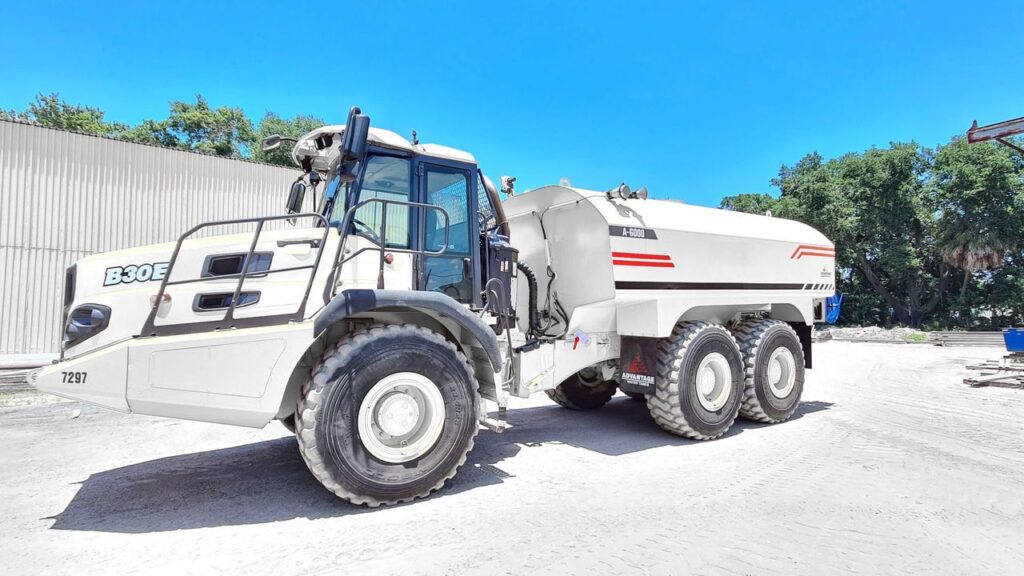
Why Water Truck Spare Parts Matter During Purchase
The most obvious reason is compatibility. A spray nozzle that fits your tank today might not exist six months from now if the manufacturer updates designs or discontinues that model. By ordering spares during purchase, you ensure they are built for your exact tank configuration. No guessing, no compatibility surprises.
The second reason is availability. Lead times are shorter when manufacturers have your tank in production. Add spare parts to that order and everything ships together. Ordering separately weeks or months later means chasing supply chains, paying expedited shipping, or waiting for parts to arrive. A delayed gasket kit or pump assembly can ground your truck longer than the actual repair takes.
Third is negotiation advantage. Suppliers often bundle equipment and spare parts during initial sale. Ordering spares alongside your tank purchase keeps everything in one transaction, and pricing discussions become straightforward. Buy the spares later as separate orders, and you lose that negotiating position. Volume pricing works best when bundled with the primary purchase.
Finally, and often overlooked: planning forces you to think strategically. When you sit down with your supplier and say “I want a spare pump, a hose kit, and a set of gaskets,” you are not just checking boxes. You are mentally rehearsing your equipment’s failure modes and deciding what downtime is acceptable. That clarity matters.
High-Wear Items to Stock: The Daily Consumption Parts
Start with the parts that wear out predictably and are easiest to replace. These are your first-line defense against downtime.
Spray nozzles and spray heads fail constantly. They clog, wear, crack. You operate multiple nozzles at different pressures. Some handle dust control cannons, others handle precision material conditioning. All of them fail independently, which is exactly why you need backups in your shop so operators can swap a damaged nozzle in minutes rather than disassemble spray manifolds chasing parts.
Gaskets and seals are the second category. Tank connections, pump inlets, valve ports all have gaskets. Every joint uses them. They harden, crack, and leak. A replacement gasket kit costs next to nothing but saves hours of troubleshooting when a slow leak appears at 3 p.m. on a Wednesday. Buy several kits during initial purchase.
Hoses and hose fittings round out the wear-out trio. Hydraulic hoses collapse, abrade, or develop pinhole leaks. Water hoses split from age or UV damage. Have a standard diameter hose in your shop for quick repairs. Request standard fittings (half-inch, three-quarter-inch) rather than proprietary sizes so you can source replacements locally if needed. Larger rigid-frame water trucks running high-volume operations benefit most from complete hose backup kits given their daily usage intensity.
All three categories share a trait: they are affordable, small, and easy to inventory. A spare nozzle pack, a gasket kit, and two lengths of hose represent a modest investment but prevent day-long shutdowns that cost far more.
Critical Components: The High-Impact Repairs
Beyond the daily-wear parts sit critical components that do not fail often but break catastrophically when they do. These demand different planning.
A spray pump (if your tank includes one) is expensive to replace and takes hours to swap out. You probably do not need a backup pump sitting on a shelf. Failure rates are low if you maintain oil cleanliness and follow service intervals. But you should have one available on short notice, or arrange with your supplier for emergency access. Some buyers order a reconditioned pump unit during initial purchase as backup insurance. It sits in storage. If failure happens, you swap it in and send the damaged unit for repair.
Valves and hydraulic controls manage flow and pressure. They rarely fail, but when they do, the truck will not function. Order documentation (part numbers, specifications) so you or your technician can identify the exact valve during emergency replacement. Some operations also stock a common manifold assembly that fits several of their tanks.
Engine-driven pump components (belts, bearings, shaft seals) have predictable service lives. If your water truck uses an auxiliary engine to drive the pump, discuss standard maintenance parts with your supplier. Belts wear predictable. Bearing service is routine. Have spares on hand for equipment you operate year-round.
The strategy here is different from wear-out parts: you are not stocking six backup pumps. You are documenting what you have, knowing where to get replacements in a pinch, and understanding lead times so you can plan emergency repairs.
Balancing Inventory Investment Against Downtime Risk
This is where planning gets real. How much spare inventory is too much? How much is too little?
Start by calculating your equipment value and daily operating cost. A water truck that generates significant revenue per day means every day of downtime carries real cost. If a spare part prevents even one day of downtime per year, the investment typically pays for itself. That math usually points toward “stock it.”
But do not spin into excess. Your goal is not to become a parts warehouse. Focus on items that are (1) likely to fail, (2) critical to operation, and (3) have long replacement lead times. Spray nozzles check all three boxes. An engine seal that only fails once per five years does not.
One practical rule: if your supplier can deliver a replacement in 24 to 48 hours, you might skip stocking it. If lead time stretches to two weeks, stock it. If it is unavailable in the market and must be special-ordered, you absolutely stock a spare during purchase. Articulated configurations often have longer lead times on certain components due to their complexity, so advance planning during purchase becomes even more critical.
Also think about seasons and project types. If you run heavy compaction work in spring and summer but sit idle in winter, you might stock more compaction-specific parts in February. If your equipment operates year-round across multiple clients, you need broader inventory. Adjust recommendations to your actual operation. Check what spare parts and accessories are available during your initial purchase planning conversation.
Documenting Your Tank Components for Future Orders and Repairs
This step prevents hours of frustration later. Create a simple spec sheet for each tank you buy.
Write down the pump model and serial number. Note the valve sizes and pressure ratings. List nozzle sizes and thread types. Document hose diameters and connection types. Take photos of the interior layout, spray bar configurations, and manifold assembly. This documentation becomes your reference when you need repairs, want to order matching components, or sell the equipment years later.
Most manufacturers provide this documentation. Ask for it explicitly. Request a printout of parts diagrams, assembly drawings, and replacement-parts lists. Store copies both in your shop and digitally.
Why does this matter for spare parts planning? Because next year, when you order more tanks, you can reference your documentation and say “I want the same pump, same valves, same controls as Tank 2.” Standardization across your fleet means fewer unique spare parts to manage. Instead of tracking 20 different pump models, you track three. That simplifies purchasing and reduces inventory confusion.
Establishing a Supplier Relationship for Ongoing Support
The manufacturer you buy from is not just a one-time vendor. They become your parts supplier for the tank’s entire service life. A good relationship means faster access to components, better pricing on repeat orders, and expert guidance when problems arise.
During the initial purchase conversation, ask explicitly: “What is your typical lead time for replacement parts? Can I order components directly, or do I go through a dealer? Do you offer emergency delivery?” Get straight answers now, not when you are desperate.
Many manufacturers will arrange standing accounts for regular customers. You call and order a gasket kit or nozzle pack, and it ships the next day. Some offer annual contracts with small discounts for predictable orders. If you run three water trucks and each truck needs nozzle replacements twice yearly, that is a recurring order pattern. Lock in a supplier relationship that reflects that.
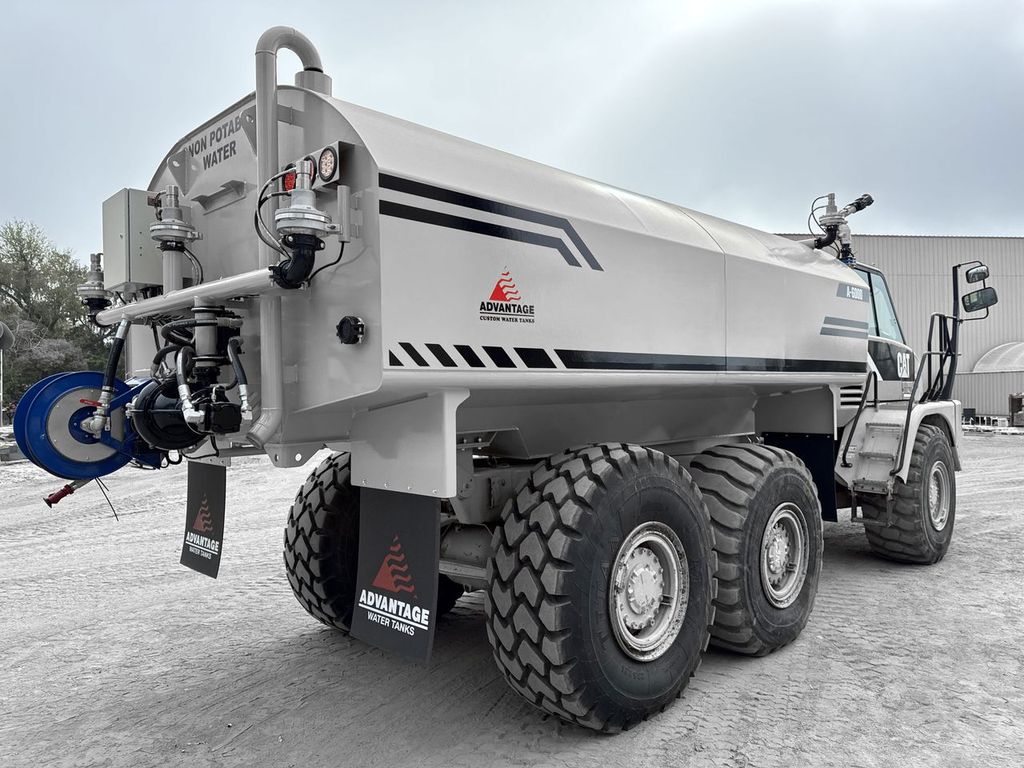
Ready to Order Smart Water Truck Tanks
Planning spare parts is not complicated. It starts with understanding what fails, what hurts most, and what takes time to replace. Discuss your water truck needs and likely equipment failures with a supplier who manufactures tanks for your industry. They should walk you through common wear items, help you estimate spare parts needs based on your operation, and coordinate parts orders with your tank purchase.
Advantage Water Tanks builds custom tanks with complete documentation and supplier support. When you order, they can discuss equipment parts inventory strategy, recommend spares based on your use case, and provide part lists and diagrams so you know exactly what your tank includes. On-road tanks, articulated configurations, and rigid-frame equipment all benefit from the same planning process. Start the conversation during purchase, not after downtime hits.
Frequently Asked Questions About Water Truck Spare Parts
What parts fail most often on water truck tanks?
Spray nozzles and spray heads see the most wear because they operate under pressure and handle water, dust, and occasional material debris. Gaskets and hose connections fail next most often, usually due to age or vibration during transport. Both categories are easy to replace and relatively inexpensive, making them smart items to stock.
How much should I budget for spare parts when buying a new tank?
A reasonable target is 5 to 10 percent of the tank purchase price, depending on your operation and equipment utilization. Smaller tanks might justify less; high-utilization equipment might justify more. Focus on high-wear items first, then add critical backup components based on your specific operational needs.
Can I order spare parts later instead of during purchase?
Technically yes, but you lose major advantages. Compatibility is ensured at purchase. Lead times are shorter. Pricing is typically better when bundled. You also avoid the scramble later when a part is obsolete or discontinued. Ordering strategically during purchase is almost always the more practical approach.
Should I stock backup components like pumps and motors?
For backup pumps and motors, the answer depends on cost and failure rates. If your pump is expensive and fails only rarely, storing a backup pump ties up capital with minimal return. Instead, document the exact model and arrange expedited access with your supplier. For lower-cost critical components (valves, controls, manifolds), stocking a spare often makes more financial sense.
How do I know which parts are compatible when ordering spares?
Ask your supplier for detailed part lists and diagrams. Request printouts specific to your tank configuration. Use those part numbers when ordering replacements, either during initial purchase or later. Most reputable manufacturers provide this documentation automatically; push for it if they do not.
How does standardizing spare parts across multiple tanks help?
When all your tanks use the same pump model, valve size, and nozzle type, you reduce the number of unique spares you need to stock. Instead of managing inventory for five different pump models, you manage one. This cuts ordering complexity, reduces warehouse inventory, and means mechanics know where to find the part they need.