
Water truck safety talks are easier to conduct when you have structure. Safety supervisors and foremen run toolbox meetings all the time, but finding relevant content about water truck operations takes research. This outline gives you everything needed to conduct an effective 10-15 minute safety discussion about water trucks without extensive preparation. Use it as written or adapt it to fit your specific equipment and crew.
The best safety talks are conversations, not lectures. This outline includes opening hooks, key discussion points, real-world scenarios, and engagement questions that keep your crew thinking and talking rather than just listening.
Safety Talk Outline: Water Truck Tank Operations
Total Time: 10-15 minutes
1. Opening Hook (1-2 minutes)
Start with a scenario that matters to your crew:
“Last month, a water truck operator on a haul road didn’t recognize how soft the ground was near the edge. The truck shifted. Water sloshed. For three seconds, everyone on site held their breath. Nothing happened, but it could have. That’s what we’re talking about today. Not worst-case scenarios, but the situations you actually encounter.”
Why this matters:
Water trucks seem simple. Fill them, spray them, repeat. But they’re heavy, they hold significant weight, and they operate in conditions that change by the hour. Stability and awareness keep people safe.
2. Key Hazard Awareness (3-4 minutes)
Organize this as discussion points. Ask your crew what they’ve seen or experienced.
Hazard 1: Stability and Load Shift
Water moves. Tanks are big. When you’re on slopes, in ruts, or turning, the water inside shifts your center of gravity. It’s different from hauling rock or dirt.
Discussion prompt: “Has anyone felt the truck shift or move differently when the tank was full versus empty? What did you notice?”
Hazard 2: Terrain and Ground Conditions
Haul roads change. Heavy rain softens ground. Frost heave creates uneven surfaces. What was solid yesterday might be mushy today. Operators need to notice and adjust.
Discussion prompt: “What terrain changes have you seen this week that affect how you’d operate the truck differently?”
Hazard 3: Visibility and Blind Spots
Water truck tanks are tall and block sightlines. Mirrors are essential. Spray bars and equipment add to the overall footprint. Operators can’t see everything, especially on uneven ground or at angles.
Discussion prompt: “Where are the blind spots on your truck? Have you had close calls because you couldn’t see something?”
Hazard 4: Weight and Ground Impact
A full tank weighs thousands of pounds. Soft ground, slopes, and weight management matter. Overloading or improper weight distribution creates tipping risk and ground failure.
3. Safe Operating Practices (4-5 minutes)
These are discussion points, not procedures, because your crew knows their equipment. The goal is reminding them of what matters.
Route Planning:
Before operating, think about the route. Where’s the soft ground? Where’s the slope? What’s the ground condition? Adjust speed and path based on conditions.
Prompt: “What part of your job site is most challenging to operate on right now?”
Speed and Terrain Awareness:
Slower isn’t always wrong. Rough terrain, soft ground, and slopes sometimes require reduced speed. Smooth operation keeps the load stable.
Pre-Operation Checks:
Mirrors and visibility equipment matter every day. Spray systems need to be secure. Equipment that’s bouncing around distracts drivers and creates hazards.
Crew Communication:
Safe operations involve spotters when visibility is limited. When crew members aren’t sure about ground conditions or slope, they should speak up.
4. Crew Engagement Questions (2-3 minutes)
Ask these questions and actually listen. Don’t lecture. These prompt real discussion.
“What’s the most challenging situation you’ve faced operating a water truck this month?”
“If you felt the truck starting to tip or shift, what would you do?”
“What do you wish supervisors understood about water truck operation?”
“Have you ever had to stop or change your route because of ground conditions? What did you notice first?”
“What does a water truck sound or feel like when something’s wrong?”
Let crew members answer. These conversations reveal what they’re actually experiencing and what they need to know.
5. Real-World Scenario for Discussion (2-3 minutes)
Present one scenario and ask your crew what they’d do:
Scenario: “You’re operating a water truck on a haul road after heavy rain. The ground felt fine this morning, but it’s been wet since lunch. You notice the truck feels different turning into the work area. The ground is softer. The truck leans slightly when you turn.”
Discussion prompt: “What do you do? Keep going or pause? Why?”
Desired outcome: Crew recognizes that equipment feel and ground conditions matter. Slowing down, adjusting route, or stopping to assess are all valid responses. The key is noticing and deciding deliberately rather than pushing through.
6. Key Takeaway Messages (1-2 minutes)
End with clear, memorable messages your crew will remember:
- Stability matters. Water moves. Ground changes. Pay attention to how the truck feels.
- Visibility is safety. Know your blind spots. Use mirrors. Ask for spotters when you’re not sure.
- Ground conditions change. What’s solid now might not be in an hour. Notice and adjust.
- Speaking up protects everyone. If you notice something off, say it. If you’re uncomfortable with conditions, stop and reassess.
7. Follow-Up Actions and Observations (1 minute)
Tell your crew what you’re looking for this week:
“This week, I’m watching for operators adjusting their route based on ground conditions. I’m looking for use of spotters when turning or reversing. I want to see mirror checks before operating. And I want to hear if someone’s uncomfortable with conditions.”
This tells crew what you value and what you’re monitoring. It makes the safety talk actionable beyond the meeting.
Making This Talk Your Own
This outline works as written, but the best safety talks feel genuine. Adapt it to your site, your crew, and your equipment.
Customization ideas:
Replace the opening scenario with something that actually happened on your job site. Your crew pays attention when it’s relevant to them.
Add hazards specific to your terrain. Coastal operations might emphasize wind and spray. Mountain haul roads emphasize slope and grade. Desert operations emphasize visibility in dust.
Ask your equipment provider about hazards specific to your tank configuration. Different tanks have different blind spots and stability characteristics.
Use crew feedback to shape future talks. The questions you ask reveal what your crew is actually thinking about.
Conducting an Effective Safety Talk
A few practical tips for running this talk:
Keep it conversational. Read the outline, but don’t read it word for word. Speak to your crew like you’re having a discussion, not delivering a presentation.
Make space for responses. When you ask a question, wait for answers. Don’t fill silence. Your crew will talk if they have space.
Listen to what they say. If someone brings up a hazard you hadn’t considered, acknowledge it. That crew member just made the talk better.
Be specific to your site. Reference actual conditions and actual situations your crew faces. Generic safety talks feel irrelevant. Specific ones feel necessary.
Keep it to time. 10-15 minutes is right. Longer and people tune out. Stick to your outline.
Request Equipment-Specific Safety Guidance
Different water truck configurations have different hazards. Stability characteristics vary. Visibility differs. Spray system hazards depend on your specific setup.
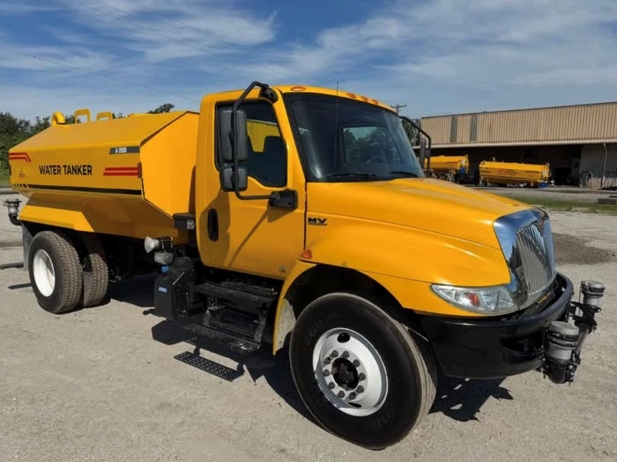
Contact your equipment provider and ask about hazards specific to your tank. Advantage Water Tanks builds water truck tanks and understands equipment-specific risks. They can help you think through what matters for your configuration.
When you take delivery of new tanks, make requesting equipment-specific safety information part of your standard process. Understanding your equipment helps supervisors conduct better safety talks and helps crews operate more safely.
Frequently Asked Question
How do I adapt this outline for different water truck configurations?
Read your equipment manual or ask your manufacturer about hazards specific to your tank. Add those to the hazard awareness section. Ask your crew what’s different about your truck compared to others they’ve operated.
What if my crew doesn’t engage with the questions?
Some crews are quieter than others. Start with easier questions that have obvious answers. “What’s hard about this?” is easier than “What could go wrong?” Let answers develop over time.
How often should I conduct this talk?
This specific outline works well as a periodic refresher. Monthly or quarterly is reasonable. If you’re bringing new equipment onto the site, run it again before operations start.
Can I use this outline exactly as written?
Yes, but it works better when it reflects your site and your crew. Change the scenario. Emphasize different hazards. Use examples from your operation.
What if someone brings up a safety concern I don’t know how to address?
That’s exactly right. Write it down and follow up. Ask your supervisor, your safety team, or your equipment provider. Bringing an answer back to your crew in the next meeting is powerful. It shows you listen.
Should I print this out and read it during the talk?
You could, but it works better if you read through it beforehand, understand the structure, and speak naturally during the talk. Your crew will pay better attention to a conversation than a reading.